


Common Roofing Mistakes to Be Aware Of
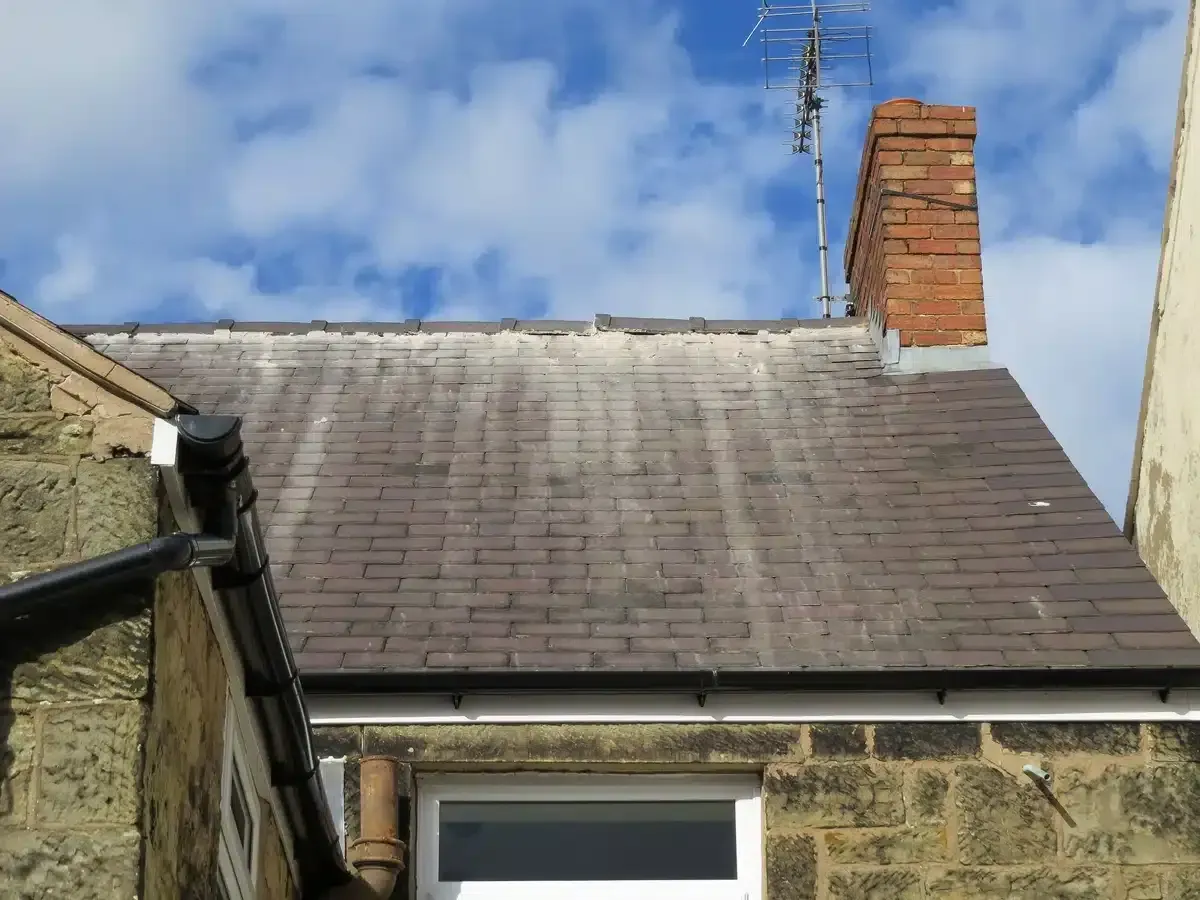
Your home’s roof is a crucial component that protects you and your belongings from the elements; however, it can be susceptible to costly errors if not properly installed or maintained.
Roofing mistakes are more common than you might think, leading to significant issues such as leaks, structural damage, and energy inefficiency. In this blog post, we will discuss some of the most common roofing mistakes homeowners should be aware of and offer helpful tips on avoiding them on a roofing project.
Contacting professional roofing contractors for advice on roofing systems is always a good idea.
Key Takeaways
- Poor ventilation, improper installation of the flashing, and water pooling are some of the most common mistakes that can cause significant structural damage and increase energy costs.
- Regular maintenance, such as cleaning gutters and debris from the roof’s surface, is crucial in preventing water pooling or other damage that could impact your roof’s longevity. Also, always pay attention to ventilation as it helps regulate temperature and moisture levels protecting your roof from damage.
Common Roofing Mistakes to Be Aware Of
Roofing mistakes like poor ventilation, improper flashing installation, and water pooling on the roof can cause severe damage if not addressed.
Poor Ventilation
Poor ventilation is a common roofing mistake that has far-reaching consequences for both the structural integrity of your roof and the overall health of your home. For example, when attic ventilation is not installed correctly, it can lead to excess heat buildup in the attic space, resulting in shingle damage and granule loss on asphalt roof shingles.
A well-ventilated roof requires a careful balance of air intake and exhaust; however, some homeowners must correct mistakes by placing intake vents too high or exhaust vents too low during installation.
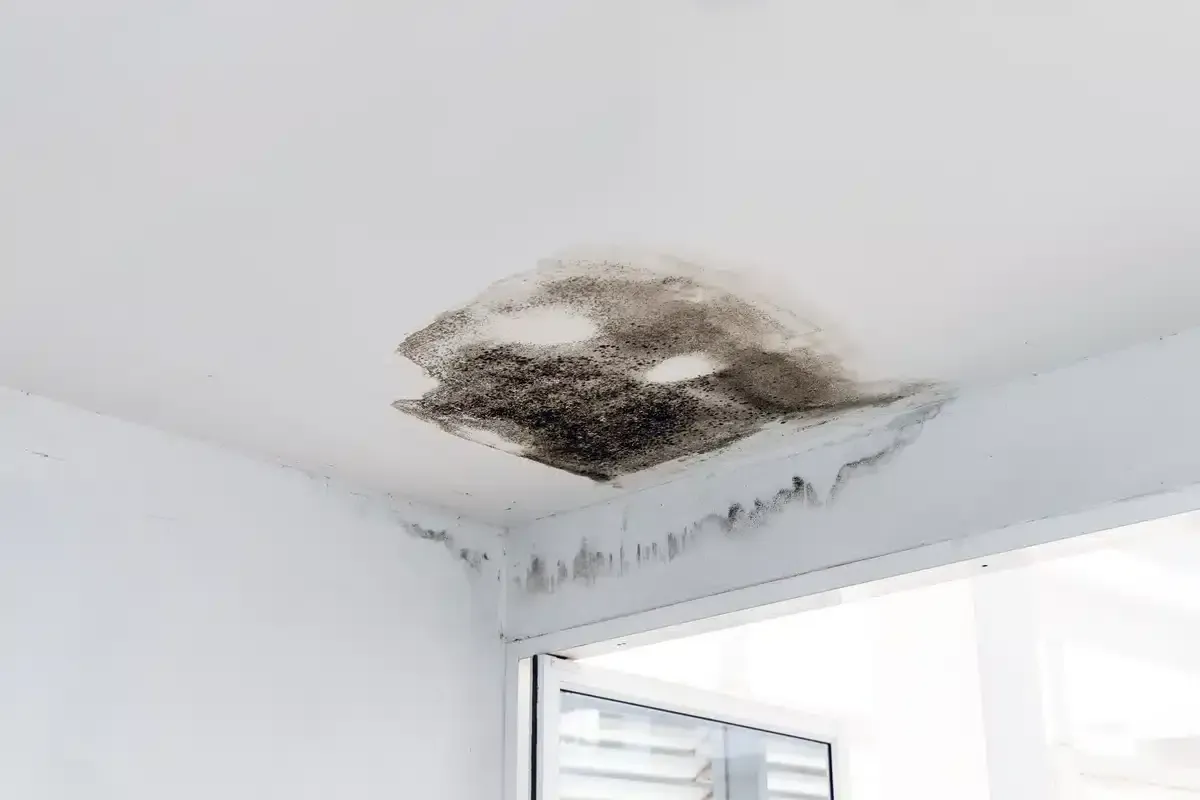
Consequently, poor ventilation may cause issues like dry rot and mold growth within the structure and the roof line – ultimately accelerating potential wear-and-tear on your roof’s materials and contributing to higher energy costs due to an increased demand for cooling systems during summer.
Improper Flashing Installation
One common roofing mistake homeowners should be aware of is improper drip edge flashing installation. Flashing, typically made from aluminum material, is an essential leak barrier to protect roof structures against water damage, including wind-driven rain.
A variety of factors can contribute to the faulty flashing installation. Factors such as using roofing nails instead of proper fasteners for securing valley flashing or stepping on the thin material during construction can lead to damage, reducing its effectiveness at keeping your home safe from water-related issues.
Furthermore, attempting to repair or install roof flashing without adequate knowledge or experience with shoddy or amateur workmanship can increase the likelihood of making costly mistakes. Everything should be installed properly.
Allowing Water to Pool on the Roof
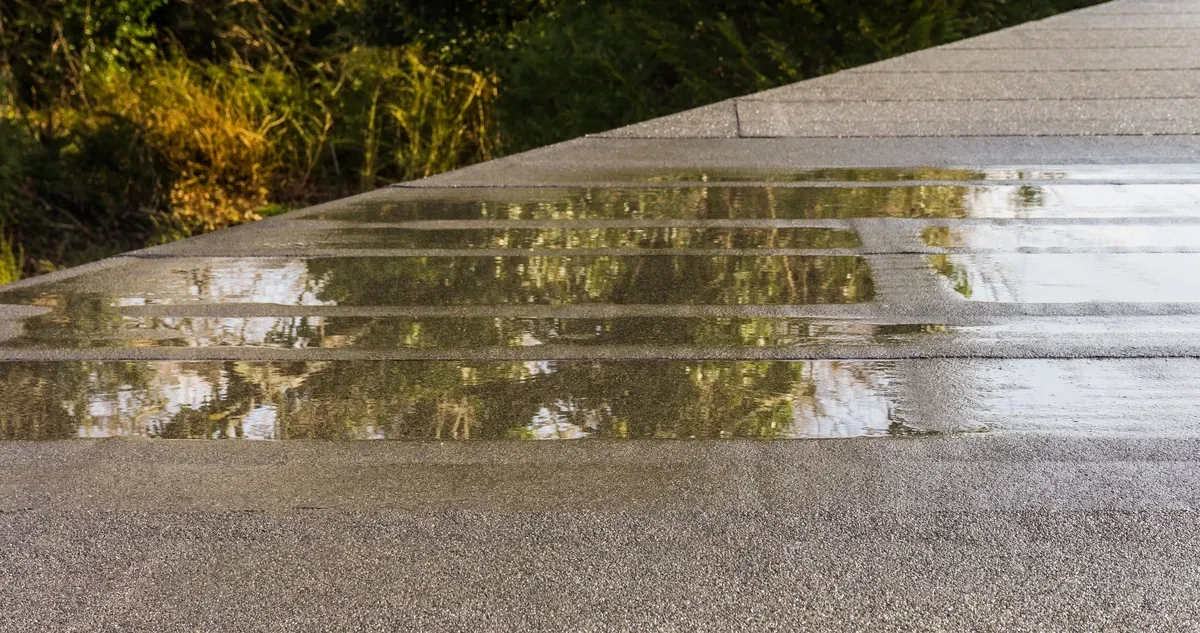
Allowing water to pool on the roof is a significant and common roofing mistake that can lead to multiple problems for homeowners. Flat roofs are especially susceptible to this issue, as their design makes it more challenging for water to drain effectively.
For example, consider a building owner who disregards regular maintenance and lets debris accumulate on their flat rooftop. As time passes, this negligence may obstruct drainage systems and cause ponding issues on the roof deck, including roof decking failure.
Ultimately, the excess weight from stagnant water could compromise the integrity of the entire roofing system. To avoid such potential hazards and maintain your warranty coverage, be proactive in addressing water pooling concerns through periodic inspections and cleaning efforts to keep your roof in optimal condition.
Consequences of These Mistakes
These roofing mistakes can result in structural damage, leaks, water damage, increased energy costs, and a shortened lifespan for the roof.
Structural Damage
Once you have a list, it’s time to scrutinize their qualifications. Are they licensed to operate in Maryland? Do they carry adequate insurance to protect you from liability? Verifying these credentials is non-negotiable, as they reflect the contractor’s adherence to industry standards and legal mandates. This due diligence safeguards your project from subpar practices that can jeopardize its success.
Leaks and Water Damage
With a shortlist of qualified contractors, you’ll proceed to solicit bids. These detailed proposals provide insight into each contractor’s cost, timeline, and approach. However, resist the allure of low prices; the cheapest bid is not always synonymous with quality. Instead, assess the value proposition of each bid, considering how it aligns with your budgetary constraints and project expectations.
Increased Energy Costs
An experienced contractor should readily provide examples of past projects, showcasing their capabilities and adherence to quality standards. Inspect their portfolio to determine if their work aligns with your vision. Additionally, reaching out to past clients can unveil insights into their experience, professionalism, and ability to meet deadlines and budgets.
Shortened Lifespan of the Roof
Your interaction with potential contractors speaks volumes about their business conduct. Do they respond promptly and courteously to your inquiries? Are they transparent and detailed in their communication? A contractor’s professionalism, reflected in both interpersonal and business dealings, is a telling predictor of the working relationship you can expect.
Tips For Avoiding These Mistakes
To avoid common roofing mistakes, working with a reputable contractor is essential.
Proper attic and roof ventilation helps regulate temperature and moisture levels, protecting the roof from damage.
Regularly clean gutters and remove any debris from the roof’s surface to prevent water pooling or other types of damage.
By following these tips for avoiding common roofing mistakes like poor installation or improper ventilation, you’ll protect your home’s structure while ensuring that your new roof lasts as long as possible.
Conclusion
In conclusion, being aware of common roofing mistakes is crucial for ensuring the longevity and functionality of your roof. These few examples of common errors that can lead to structural damage, leaks, increased energy costs, and a shortened lifespan for your roof and avoid a roof replacement.
To avoid these errors, ensure proper installation techniques, such as using appropriate nails and starter shingles. In addition, always take care of your roof correctly with a roofing contractor.