



How to Handle Emergency Roof Repairs After a Storm
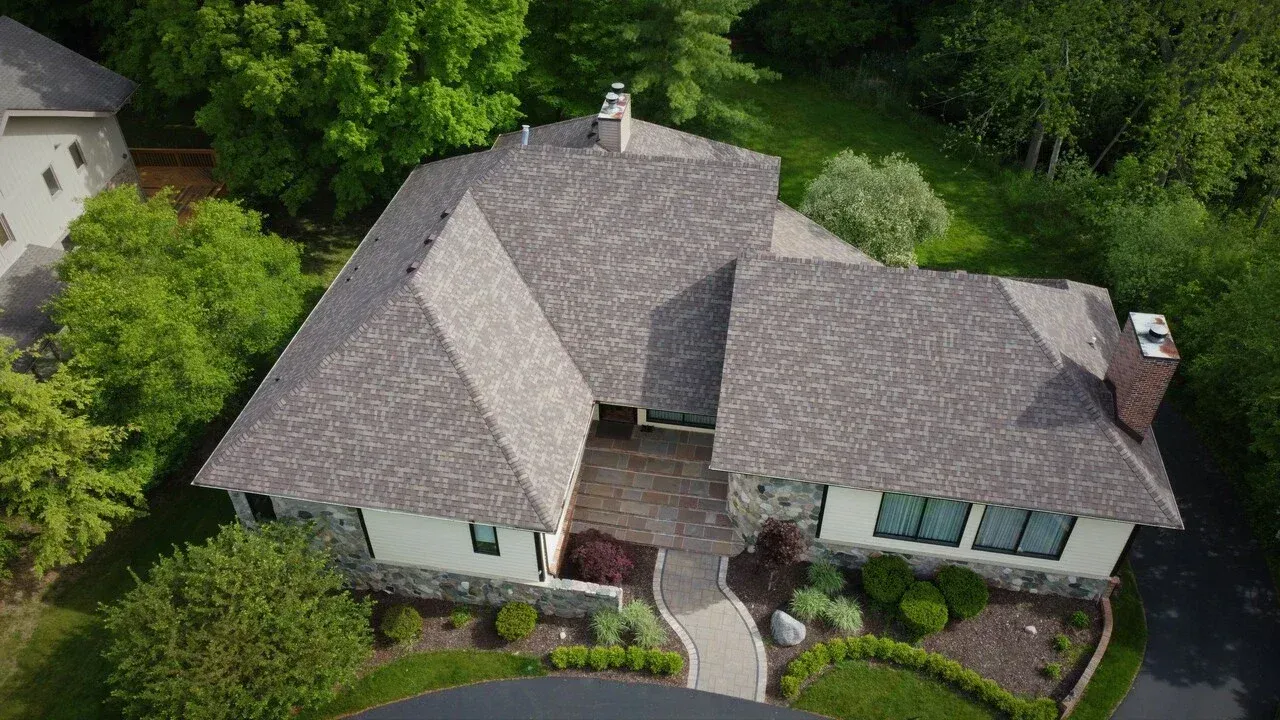
Storms can be brutal, especially here in Maryland where extreme weather is part of life. From heavy rains and high winds to hail and snow, storms often leave homeowners facing unexpected roof damage. A tree branch might crash down, shingles may be ripped away, or water might seep into your attic. When a storm damages your roof, acting quickly can make all the difference in protecting your home and avoiding costly repairs.
Handling emergency roof repairs after a storm can feel overwhelming, especially when you’re worried about protecting your family and belongings. That’s why it’s important to know exactly what steps to take. In this guide, we’ll walk you through the process—from assessing the damage to finding the right professionals for emergency roofing and storm damage roofing—so you can restore your roof and your peace of mind.
Why Storms Cause So Much Roof Damage in Maryland
Buying a home is a big financial decision. Without a professional roof inspection, you could be walking into a deal with a roof that’s past its prime—or worse, hiding serious damage. A quick visual check won’t tell the full story. Here’s why a professional roof inspection is vital:
1. Avoid Costly Surprises After Closing
The first thing you need to do after a storm is assess the condition of your roof, but safety should always come first. If there are downed power lines, large debris, or visible structural damage, stay clear of the area and call emergency services if necessary. Never climb onto your roof yourself—it’s dangerous, especially after a storm when surfaces may be wet, slippery, or unstable.
Instead, inspect your roof from the ground or use binoculars to check for damage. Look for the following signs:
- Missing, cracked, or torn shingles
- Exposed underlayment or plywood
- Dents from hail or large debris
- Gutters that are detached, sagging or clogged with debris
- Water stains or leaks inside your home (check ceilings, walls, and attic spaces)
Take detailed notes and photos of any damage you see. This documentation will be invaluable when filing an insurance claim or discussing repairs with a contractor. Keep in mind that some damage, like hidden leaks or weakened support structures, may not be immediately visible, which is why professional roof inspections are so important.
2. Plan for Long-Term Maintenance
If your roof has suffered damage that leaves your home exposed, taking temporary measures can help minimize further harm while you wait for professional repairs. Water infiltration is one of the biggest threats after a storm, as it can lead to mold, rot, and structural damage.
Here’s what you can do:
- Cover Exposed Areas with a Tarp: Use a waterproof tarp to cover any holes or missing shingles. Secure the tarp with nails or ropes to prevent it from blowing away. This will keep water out until repairs can be made.
- Move Valuables and Furniture: If leaks are present inside your home, move items like electronics, furniture, and personal belongings out of harm’s way.
- Contain the Water: Place buckets or containers under leaks to catch dripping water and protect your floors.
While these temporary measures won’t solve the problem, they can buy you some time and help prevent further damage to your home.
3. Protect Your Family’s Safety
Once you’ve secured your home, the next step is to contact a reliable roofing contractor who specializes in emergency roofing and storm damage roofing. Time is of the essence, especially in Maryland where unpredictable weather could bring another storm before repairs are made.
Vanguard General Contracting is a trusted local company with years of experience helping Maryland homeowners recover from storm damage. Whether it’s patching up a small area or handling a major repair, our team responds quickly to get your roof back in shape. Visit our emergency roofing page to learn more about how we can assist you.
When choosing a contractor, look for one with:
- Experience handling storm-related roof repairs
- A strong reputation and positive customer reviews
- The ability to provide emergency services when you need them most
Working with a local expert like Vanguard General Contracting ensures you get fast, reliable service tailored to Maryland’s unique weather challenges.
Step 4: Document the Damage for Insurance Claims
Most homeowners’ insurance policies cover storm-related roof damage, but filing a claim requires proper documentation. To ensure a smooth claims process, follow these steps:
- Take Photos: Capture clear, detailed photos of all damage, both inside and outside your home. Include close-ups of missing shingles, damaged gutters, and interior leaks.
- Save Receipts: Keep receipts for any temporary repairs, such as tarps or materials, as these expenses may be reimbursable.
- Get a Professional Inspection: Many insurance companies require a contractor’s assessment to process your claim. Vanguard General Contracting can provide a detailed inspection report and repair estimate to support your claim.
Contact your insurance provider as soon as possible to begin the claims process. If you’re unsure about navigating this process, your roofing contractor may be able to help.
Step 5: Schedule Permanent Repairs
Temporary fixes are only a short-term solution. To fully restore your roof and protect your home from future storms, schedule permanent repairs with a qualified contractor. Depending on the extent of the damage, this may involve replacing missing shingles, repairing underlayment, or even completing a full roof replacement.
At Vanguard General Contracting, we use high-quality materials and proven techniques to ensure your repaired roof can withstand Maryland’s challenging weather. Whether your roof needs minor patching or a major overhaul, our team is here to provide durable, long-lasting solutions.
Why Acting Quickly is Essential in Maryland
Delaying roof repairs after a storm can lead to bigger problems down the road. Even minor damage can worsen over time, especially with Maryland’s high humidity levels and frequent storms. Water infiltration, for example, can cause mold to grow in as little as 48 hours, creating health risks for your family and weakening your home’s structure.
By acting quickly, you can:
- Prevent further damage to your roof and home
- Avoid more expensive repairs in the future
- Ensure your home is safe and secure for the next storm
Don’t wait until it’s too late—taking action now will save you time, money, and stress.
Final Thoughts: Be Prepared for the Unexpected
Storms are a part of life in Maryland, but knowing how to handle emergency roof repairs can help you weather the aftermath with confidence. By staying safe, documenting the damage, and working with trusted professionals, you can restore your roof and protect your home.
If you’re dealing with storm damage, Vanguard General Contracting is here to help. We offer fast, reliable, and high-quality emergency roofing services to Maryland homeowners. Visit our emergency roofing page today to schedule an inspection and get your roof back to its best condition.