



Bay Winds and Driving Rain
Open areas near the Chesapeake Bay can see stronger wind and wind-driven rain. Roof edges, lifted materials, wall connections, and penetrations may need attention even when damage is not obvious from the yard.
Strong wind, heavy rain, falling branches, and hail can damage a roof in ways that are easy to miss from the ground. Vanguard General Contracting provides 24/7 emergency roof repair and rapid response contracting for Annapolis property owners, then helps separate urgent problems from repairs or replacement work that can be planned after the immediate issue is under control.
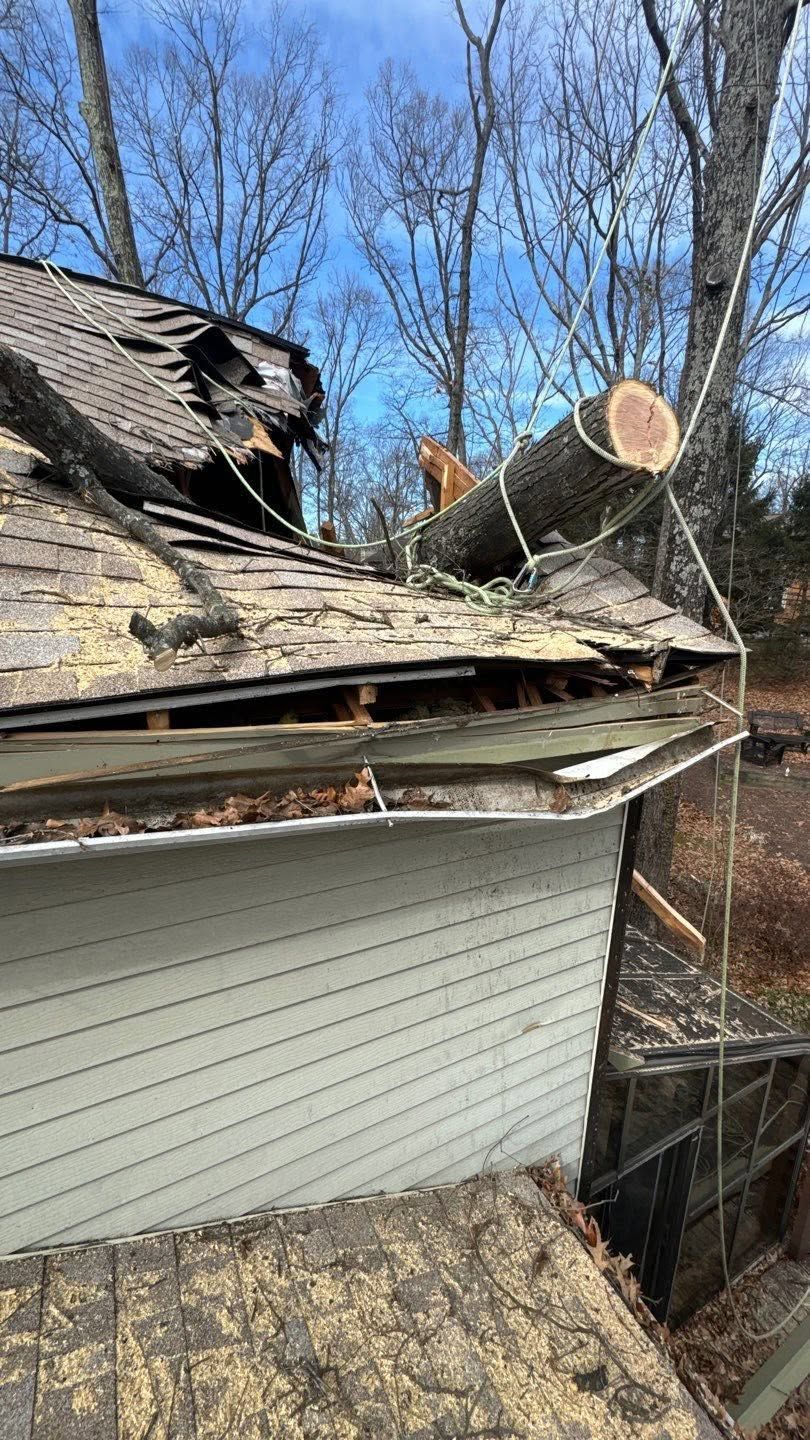
Stay off the roof, check interior ceilings and attic areas for new water, and look from the ground for missing material, branches, or displaced gutters. If water is entering or the roof has an open or unstable area, contact a roofing professional promptly for emergency help.
Waterfront exposure, mature trees, older roof details, additions, and different roofing materials can all change what a storm does to a property. A useful post-storm review looks beyond one missing shingle and follows the roof edges, transitions, drainage, and interior signs of water.
Open areas near the Chesapeake Bay can see stronger wind and wind-driven rain. Roof edges, lifted materials, wall connections, and penetrations may need attention even when damage is not obvious from the yard.
Mature trees can drop branches, twigs, and heavy debris during storms. Impact damage may affect shingles, metal, slate, gutters, or the deck below the surface.
Storm leaks often appear around chimneys, valleys, skylights, walls, pipes, and low-slope sections. The wet spot indoors may be some distance from where water first entered.
Vanguard's primary market includes Annapolis and Edgewater, with additional supported service areas across Maryland. Emergency needs are handled based on the roof condition, access, and the urgency of the damage.
Waterfront exposure, tree cover, older rooflines, and additions can create several possible leak paths after heavy wind or rain.
Annapolis · EdgewaterOpen exposure can put extra stress on roof edges, fastened materials, gutters, siding connections, and areas already weakened before a storm.
Kent Island · Surrounding Maryland CommunitiesTree-heavy neighborhoods and detailed roof shapes can experience branch impact, displaced materials, gutter damage, and leaks around roof transitions.
Silver Spring · PotomacStorm damage may affect residential shingles, metal roofs, low-slope areas, commercial properties, or several exterior components on the same building.
Baltimore County · Surrounding Maryland CommunitiesAfter severe weather, the roof should be checked for active water entry, impact, displaced materials, damaged transitions, drainage problems, and signs that an older roof was already close to failing.
Identify fallen branches, loose exterior materials, wet areas, steep access, or other conditions that make it unsafe to walk the roof without proper equipment.
Trace new ceiling stains, attic moisture, dripping, or wet insulation and compare those signs with likely roof entry points above.
Review shingles, metal panels, slate, membranes, seams, fasteners, and roof edges for impact, lifting, cracks, displacement, or missing material.
Check valleys, chimneys, walls, skylights, pipes, siding transitions, gutters, and downspouts for damage that can let water move behind exterior surfaces.
Determine whether the storm damage is limited enough for targeted repair or spread across enough of the roof to justify discussing replacement.
Account for roof age, existing wear, access, material availability, exterior damage, and building use before moving from emergency response to permanent work.
A missing shingle, dented panel, cracked slate, or punctured low-slope surface can all lead to water entry, but the repair approach depends on the material and how far the damage extends.
Wind can lift or remove shingles, while debris or hail can damage exposed areas and leave roof edges or valleys more vulnerable to rain.
Review asphalt roofingStorms can affect panels, seams, fasteners, flashings, and roof edges. Dents alone do not tell the whole story, so water-shedding details still need review.
Review metal roofingFalling branches or impact can crack individual pieces, while wind and rain may expose problems at flashing or other roof connections.
Review roof choicesCommercial and low-slope areas can develop punctures, open seams, drainage trouble, or water entry around curbs and penetrations after severe weather.
Review low-slope roofingUrgent service focuses on active leaks and damaged areas that need prompt attention so the property is not left exposed to additional weather.
Learn about roof repairReplacement may be discussed when damage affects large portions of the roof or combines with age, repeated leaks, or broad deterioration that limits repair value.
Learn about replacement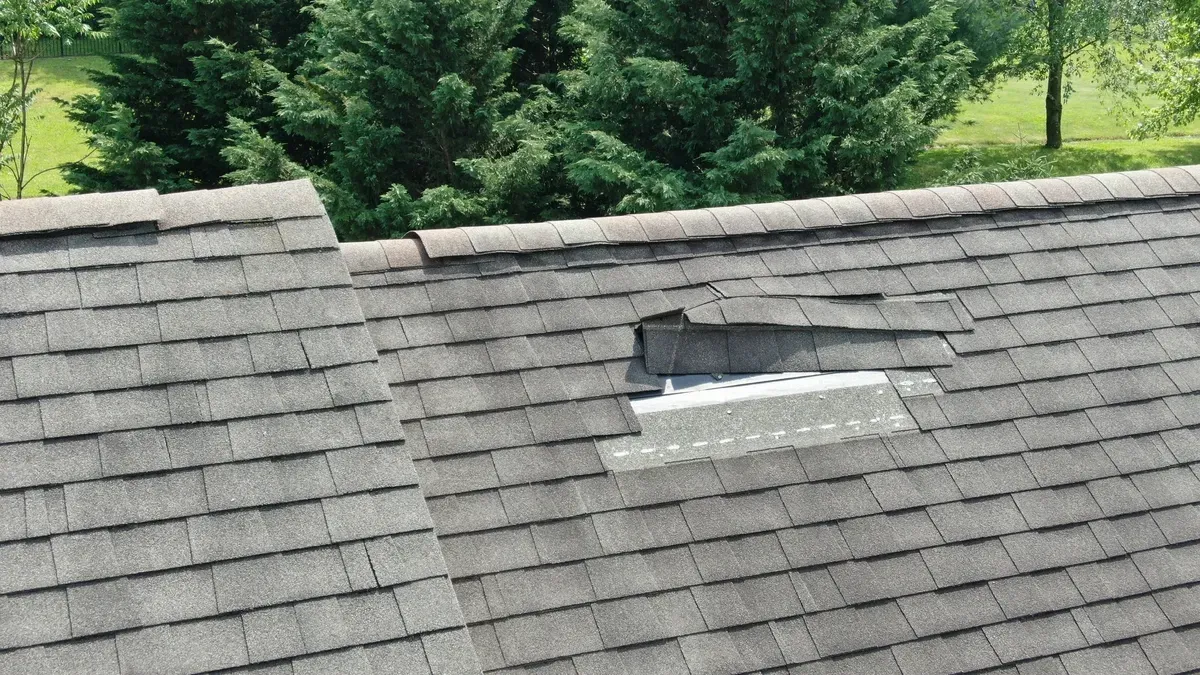
Emergency roofing should deal with urgent water entry first, then give the property owner a clear picture of the roof damage and the practical repair or replacement choices.
Explain what happened, whether water is entering, what can be seen from the ground, and whether branches or other debris are affecting the property.
Focus first on active leaks, open roof areas, displaced material, impact points, and other conditions that may worsen if more rain arrives.
Review the roof surface, valleys, flashings, gutters, siding connections, penetrations, low-slope areas, and interior signs linked to the storm.
Separate localized damage from broader failure and discuss the option that fits the roof condition, material, age, and amount of storm impact.
Carry out the chosen repair or replacement with attention to water flow, roof details, damaged exterior connections, and safe access around the property.
Review completed work, remove job-related debris, discuss remaining exterior concerns, and explain any maintenance or follow-up items the owner should watch.
Vanguard General Contracting is available 24/7 for emergency roof repairs and rapid response contracting. The business brings more than a decade of construction experience, holds BBB accreditation with a 5.0-star reputation, and can also address siding and seamless gutter damage when a storm affects more than the roof.
Property owners can call at any hour when storm damage creates an urgent leak or roof problem that needs prompt professional attention.
Construction experience across roofing and exterior work helps the team evaluate storm damage in the context of the entire property.
Vanguard maintains BBB accreditation and a 5.0-star reputation for integrity and customer satisfaction.
When a storm damages several exterior areas, Vanguard can coordinate roofing with siding and seamless gutter work instead of treating each area in isolation.
These answers cover emergency service, safety, repair versus replacement, hidden leaks, exterior damage, cost factors, commercial properties, and supported service areas.
Contact Vanguard General Contracting if a storm has caused a leak, missing roofing, branch impact, damaged gutters, or other roof concerns and you need a clear plan for emergency attention, repair, or replacement.
Our vision is to be the best and most advanced home improvement company there is.
Connect with Us Now!