



Gutters and Concentrated Runoff
Overflowing or poorly aligned drainage can keep the roof edge wet and expose fascia fasteners, joints, and lower soffit areas to repeated water contact. The gutter line should be checked before trim is replaced.
Vanguard General Contracting repairs damaged fascia and soffit at Glen Burnie homes, with attention to the roof edge, gutter attachment, drip edge, eave ventilation, visible water paths, and the condition behind the damaged exterior material. The goal is to correct the affected edge assembly, not simply cover a soft, open, or deteriorated section.
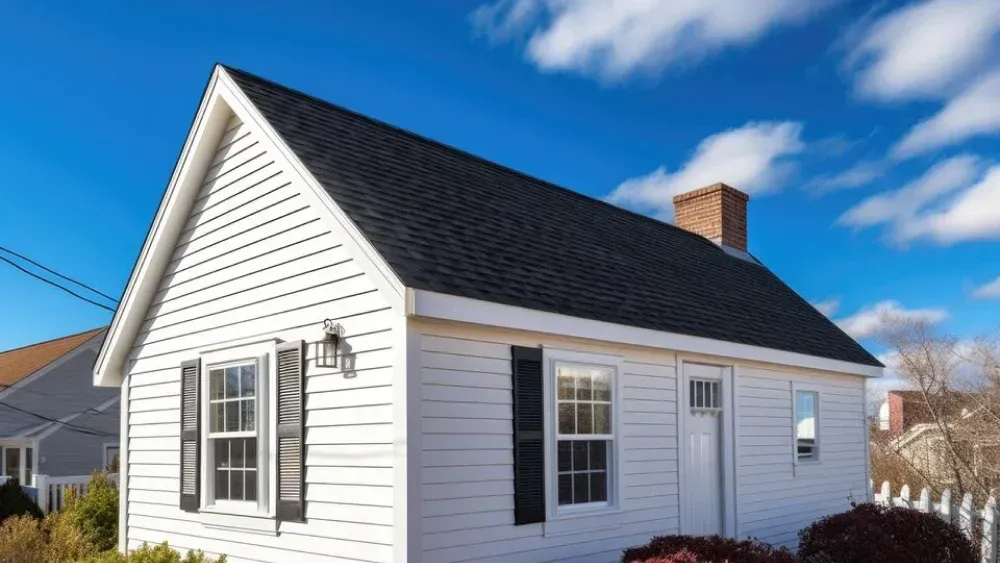
A complete repair starts by identifying why the edge material failed. That can mean checking the gutter line, drip edge, roof covering, flashing, soffit openings, fasteners, and concealed substrate before damaged fascia or soffit is replaced. If water is entering from above, the roof-edge source should be corrected as part of the scope.
Fascia and soffit sit where several exterior systems meet. Roof runoff, gutters, tree debris, ventilation openings, siding transitions, and older repairs can all affect the condition of the eaves.
Overflowing or poorly aligned drainage can keep the roof edge wet and expose fascia fasteners, joints, and lower soffit areas to repeated water contact. The gutter line should be checked before trim is replaced.
Leaves and branches can collect along gutters and roof edges, while shaded eaves can dry more slowly. Debris buildup can also hide small openings or deterioration until the area is inspected closely.
Porches, garages, bay windows, and additions can have different eave depths, soffit materials, fascia profiles, and roof-to-wall connections on the same home.
The damaged board or soffit panel is only one part of the eave. Vanguard looks at how the gutter hangs, how the roof edge sheds water, whether intake vents are involved, and what siding or trim connects to the same area.
Glen Burnie, Pasadena, Millersville, and Severn homes may have replacement roofs sitting above older gutters or patched eaves. Sorting out those layers helps keep a new fascia board from covering an old drainage problem.
Glen Burnie · Pasadena · Millersville · SevernAround Annapolis, Arnold, Severna Park, and Cape St. Claire, mature trees and detailed rooflines can create more corners, gutter joints, and shaded eaves where moisture or debris lingers.
Annapolis · Arnold · Severna Park · Cape St. ClaireCrofton, Odenton, Gambrills, and Davidsonville properties often have broad roof edges and attached garages. Long gutters make straight alignment, sound fascia fastening, and clear soffit intake especially noticeable.
Crofton · Odenton · Gambrills · DavidsonvilleIn Edgewater, Mayo, Shady Side, and Deale, porches, shallow additions, tree cover, and exposed roof edges can put several materials into a short stretch of eave. The repair needs to make those pieces work together again.
Edgewater · Mayo · Shady Side · DealeReplacing the visible panel is only part of the job. The roof edge, gutter line, substrate, ventilation openings, fasteners, and adjoining trim should be checked before the area is closed again.
Review fascia, soffit, gutters, drip edge, roof covering, flashing, joints, corners, penetrations, and visible water staining or openings.
Look for roof-edge leaks, gutter overflow, failed joints, flashing gaps, or drainage conditions that could be feeding the damaged area.
Remove affected fascia or soffit as required so concealed backing, framing edges, fasteners, and the condition around ventilation openings can be evaluated.
Address damaged supporting material or roof-edge details included in the scope before new fascia or soffit is installed over the opening.
Install the replacement edge material, coordinate vented areas where present, and finish joints, corners, fasteners, and adjacent trim for the planned repair.
Reinstall or realign affected gutter sections when included, inspect the roof edge, remove debris, and review the completed repair with the homeowner.
Roof-edge damage often touches more than trim. Shingles, metal roofing, low-slope sections, gutters, ventilation, and adjoining exterior materials can all affect the repair.
Shingle overhang, starter materials, drip edge, underlayment, and gutter placement all influence how water leaves an asphalt roof at the fascia line.
See asphalt roofingMetal panels, closures, fasteners, trim, and edge flashing need compatible details so runoff does not bypass the fascia or enter behind exterior trim.
See metal roofingDormers, porches, additions, siding, masonry, and multiple roof types can create unique eave details that need to be repaired as a connected assembly.
Compare roof systemsShallow porch and addition roofs can concentrate water at short edges and gutters, making fascia, drip edge, and roof termination details especially important.
Explore low-slope roofingIf damage starts with a localized roof or flashing problem, repairing that source can be necessary before new fascia or soffit is installed.
Review roof repairWhen a roof is being replaced, exposed eaves provide an opportunity to identify damaged edge material and coordinate fascia, soffit, drip edge, and ventilation work.
Review roof replacement
The visible rot or loose panel is the starting point. The work then follows whatever sits behind and above it, because a new piece of trim will not last if runoff, gutter movement, or a roof-edge leak is still feeding the area.
The inspection covers the damaged trim, gutter line, drip edge, nearby roofing, vented soffit, corners, joints, and any stain or gap that suggests water has been moving through the edge.
Some conditions are visible from the ground; others are not. The scope separates known repairs from concealed backing or framing that can only be judged after the damaged material comes off.
Ladder and roof access are planned around windows, landscaping, walkways, and outdoor items so the area below the eave can stay clear while old material is removed.
Damaged trim comes off first. Included backing or roof-edge problems are handled before replacement fascia or soffit goes back, with vent openings, corners, and joints restored as part of the same area.
If a gutter section had to be loosened or removed, it is reattached or adjusted within the agreed scope. The finished eave is then checked for secure fastening, open intake, and a clean runoff path.
The final review covers what was replaced, what was found behind it, and any gutter cleaning or roof-edge maintenance worth keeping an eye on after the repair.
Vanguard works across roofing, siding, gutters, and other exterior repairs, backed by more than a decade of construction experience. That wider view is useful at the eaves, where one deteriorated board may be tied to runoff, gutter attachment, venting, or nearby siding.
A repair begins at the soft, open, or damaged section, then checks the roof and drainage conditions that could make the replacement fail again.
Because Vanguard handles roofing, siding, and gutters, the repair can account for adjoining exterior pieces when they are part of the same eave problem.
Work at the eaves happens over windows, landscaping, walkways, and outdoor areas, so access and debris control are planned before damaged material comes down.
The scope spells out the visible damage, the repair being priced, and which hidden conditions may require a conversation once the soffit or fascia is opened.
Here are the issues homeowners usually ask about first: gutter-related damage, hidden rot, vented soffit, partial replacement, weather delays, and whether the roof edge also needs attention.
Vanguard General Contracting can inspect the eave, check the gutter and roof edge, and outline what needs repair before replacement fascia or soffit closes the area again.

Our vision is to be the best and most advanced home improvement company there is.
Connect with Us Now!