



Trees, Shade, and Debris
Mature canopy in many established communities can drop leaves, limbs, and organic debris onto valleys and gutters. Shaded sections need reliable drainage, ventilation, flashing, and maintenance access.
Vanguard General Contracting installs complete residential roofing systems across Prince George's County. Every project accounts for deck condition, roof pitch, flashing, attic ventilation, drainage, selected material, mature trees, dense development, stormwater flow, and how roofing connects with brick, siding, chimneys, and additions.
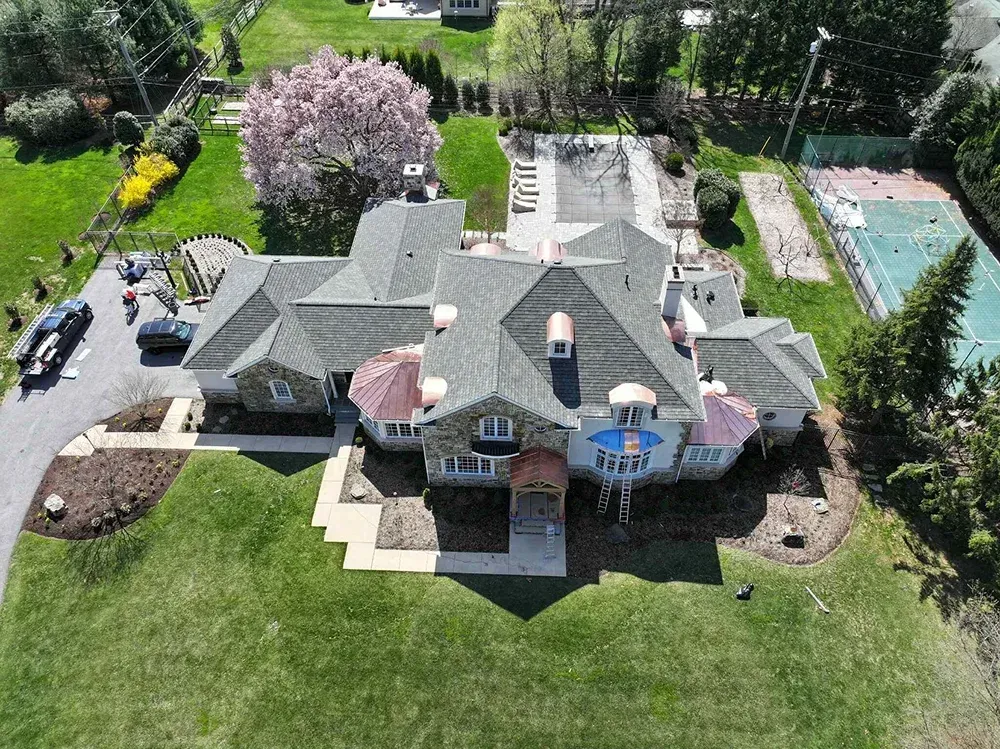
Complete installation includes preparation, deck evaluation, underlayment, leak protection, flashing, ventilation, drip edge, chosen roofing, cleanup, and final walkthrough. The detailed scope depends on roof geometry, tree exposure, existing damage, access, drainage, and connections with brick, siding, porches, or additions.
No uniform roof package suits the county’s varied housing. Vanguard reviews construction type, lot conditions, exposure, access, and runoff before recommending installation details.
Mature canopy in many established communities can drop leaves, limbs, and organic debris onto valleys and gutters. Shaded sections need reliable drainage, ventilation, flashing, and maintenance access.
Urban and close suburban properties may have limited staging, neighboring structures, paved surfaces, and concentrated runoff. Delivery, protection, gutters, downspouts, and discharge planning all deserve attention.
Brick colonials, ramblers, split-levels, townhomes, newer subdivisions, porches, and additions create different slopes, wall intersections, attic zones, and flashing details.
Vanguard serves county homeowners with recommendations based on roof measurements, housing style, property access, exposure, material goals, and budget.
Established neighborhoods and newer developments can combine mature trees, broad roof planes, attached garages, dormers, additions, and multiple drainage zones.
Bowie · Mitchellville · Largo · KetteringDense tree cover, varied home ages, townhouses, additions, and tight side yards can complicate access, debris control, flashing, and gutter work.
Laurel · Beltsville · College Park · GreenbeltOlder brick homes and close lots often require organized staging, neighbor protection, chimney detailing, roof-to-wall flashing, and careful runoff control.
Hyattsville · Cheverly · Bladensburg · Mount RainierLarger suburban and semi-rural properties may include long roof runs, open exposure, detached structures, porches, and complex attached additions.
Upper Marlboro · Clinton · Fort Washington · Oxon HillShingles, metal, slate, tile, or membranes last only when decking, water protection, flashing, ventilation, penetrations, and edges are properly integrated.
Measure slopes, ridges, valleys, chimneys, skylights, sidewalls, vents, additions, drainage paths, staging access, and visible damage before work.
Prepare or strip existing roofing as specified, then inspect sheathing for moisture damage, loose panels, delamination, weak patches, or fastening problems.
Install approved underlayment, eave protection, starter strips, drip edge, and valley materials suited to the pitch and selected roof system.
Integrate flashing around brick, siding, chimneys, dormers, skylights, vents, valleys, eaves, rakes, and roof-to-wall intersections.
Review attic intake, exhaust, insulation blockages, gutters, downspouts, and where concentrated water discharges around the property.
Install the finished roofing, remove waste, verify workmanship details, and review photos, documents, maintenance priorities, and completed scope with homeowners.
Selection should consider slope, deck capacity, geometry, neighborhood appearance, upkeep, tree exposure, ownership goals, warranty, and project budget.
A versatile option with broad style and color choices for colonials, ramblers, split-levels, dormers, additions, and hip roofs.
Compare shingle optionsA durable choice needing accurate seams, fastening, penetration details, edge closures, valleys, and compatibility with adjoining materials.
Compare metal optionsPremium systems requiring appropriate framing, specialized installation, coordinated flashing, careful layout, and access for future service.
Review premium systemsMembranes protect porches, additions, garages, and shallow sections where standard shingles cannot drain water according to requirements.
Review membrane systemsAppropriate when damage is limited and adjacent roofing still offers reliable service.
Explore roof repairAppropriate when widespread aging, repeated leakage, storm impact, or multiple failed slopes make repairs inefficient.
Explore replacement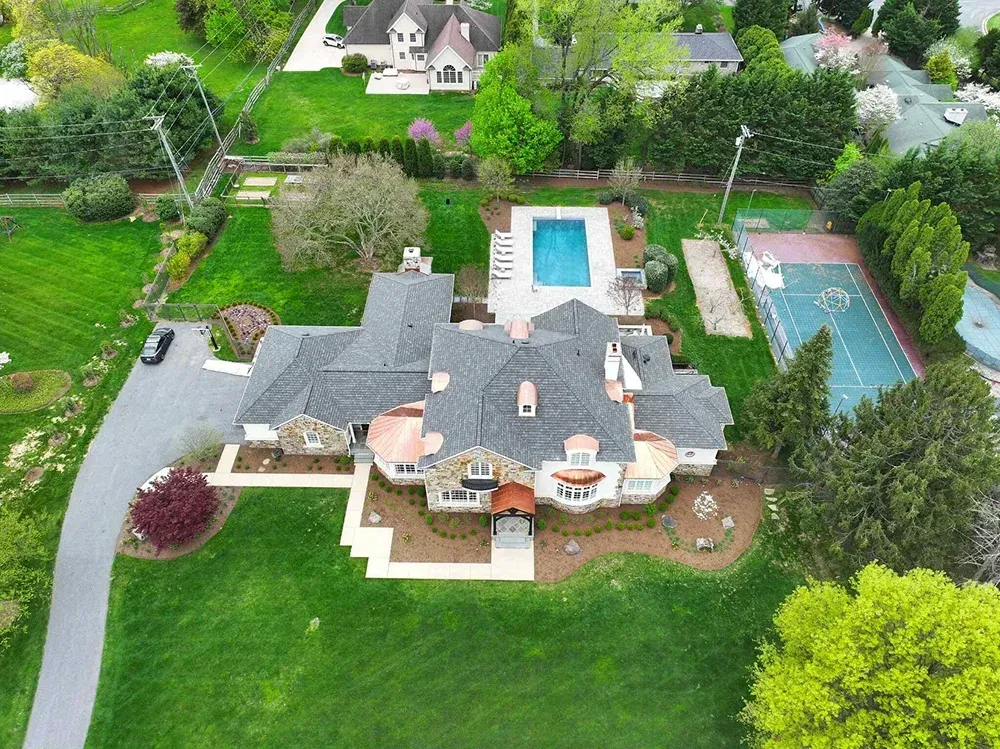
Homeowners receive a defined sequence for evaluation, written scope, site preparation, installation, cleanup, quality review, and final records.
Capture measurements, materials, defects, flashing, airflow, drainage, site limitations, nearby structures, and homeowner goals.
Explain system components, product options, assumptions, property safeguards, deck allowances, responsibilities, schedule, and work sequence.
Plan delivery, parking, crew movement, driveway use, landscaping protection, neighbor considerations, outdoor items, pets, and attic belongings.
Complete removal, sheathing work, underlayment, flashing, ventilation, roofing, edges, gutters, and related drainage details.
Remove waste, inspect roof and ground areas, perform magnetic sweeps, restore access, and confirm normal property use.
Discuss completed work, photographs, warranties, maintenance guidance, project documents, and related exterior observations.
Vanguard General Contracting serves homeowners from its Annapolis-area operation across central Maryland. Prince George's County projects receive measured scopes, site-specific logistics, coordinated property safeguards, clear progress communication, and a final review against the approved proposal.
Available roofing choices include established systems from manufacturers such as GAF and Owens Corning.
Each proposal connects roof design, sheathing condition, access constraints, selected materials, and homeowner priorities.
Neighbors, driveways, landscaping, windows, exterior equipment, debris handling, and cleanup are considered before installation.
Homeowners receive updates covering timing, scope, discoveries, approved changes, installation progress, and closeout records.
Get clear guidance on timing, cost, trees, decking, ventilation, permits, low slopes, drainage, and county service coverage.
Contact Vanguard General Contracting to inspect the roof, compare appropriate materials, and define a complete installation scope for the property.

Our vision is to be the best and most advanced home improvement company there is.
Connect with Us Now!