



Bay and River Exposure
Homes near Havre de Grace, the Bush River, and Chesapeake-facing areas receive wind and driven rain. Fasteners, seams, corners, penetrations, flashing, and drainage paths need close attention.
Vanguard General Contracting installs and replaces residential siding across Harford County. Every scope accounts for sheathing condition, drainage planes, flashing, insulation, trim, openings, cladding profile, wooded lots, Bay-facing exposure, and where the wall system meets roofs, windows, doors, decks, and adjoining masonry sections.
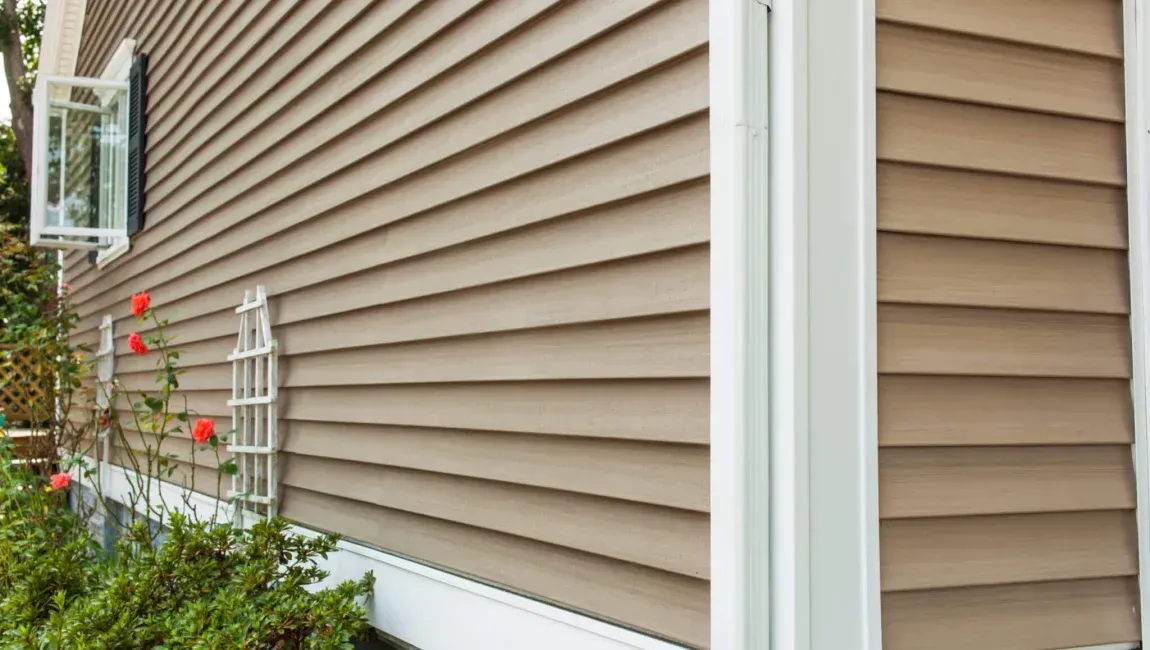
A complete siding project covers measurement, cladding removal or preparation, sheathing inspection, housewrap, opening flashing, insulation details, panels, trim, cleanup, and a final walkthrough. The scope varies with existing layers, concealed decay, windows, roof connections, decks, and masonry transitions.
Harford County exteriors rarely present identical wall conditions. Vanguard examines the building, surrounding grade, weather exposure, and water movement before specifying cladding and installation details.
Homes near Havre de Grace, the Bush River, and Chesapeake-facing areas receive wind and driven rain. Fasteners, seams, corners, penetrations, flashing, and drainage paths need close attention.
Tree cover around Fallston, Forest Hill, and rural roads can keep walls shaded and collect debris. Clearances, drainage, ventilation, and washable surfaces help siding dry.
Farmhouses, expanded homes, brick fronts, and later additions can combine different cladding types and wall ages, making every transition require deliberate detailing.
Vanguard develops Harford County siding recommendations from each house, including wall condition, terrain, exposure, drainage paths, and maintenance demands.
Established subdivisions, additions, garages, brick fronts, and mature landscaping can create complicated openings, shaded walls, and concentrated roof runoff.
Bel Air · Abingdon · Churchville · Belcamp · Fountain GreenRural properties and exposed approaches can increase wind pressure, while older residences may include original siding, repairs, outbuildings, or additions.
Fallston · Forest Hill · Jarrettsville · StreetSouthern corridor homes range from neighborhoods to larger properties, with access, cladding, drainage, and exposure changing block by block.
Edgewood · Joppatowne · Aberdeen · RiversideBay and river exposure, open lots, older homes, and mixed wall assemblies can affect fastening, flashing, clearances, and drainage details.
Havre de Grace · Darlington · PylesvilleVinyl, fiber cement, engineered wood, aluminum, or composite panels perform only when sound sheathing, drainage planes, flashing, and transitions support them.
Measure walls, corners, windows, doors, decks, roof connections, utilities, foundation lines, cladding layers, access routes, and visible trouble spots.
Remove or prepare existing siding as specified, then identify rot, soft sheathing, loose panels, failed patches, insect damage, or trapped moisture needing correction.
Install housewrap, flashing tape, sill pans, kickout flashing, and drainage components in the proper sequence to protect openings, intersections, and selected cladding.
Carefully integrate flashing and trim around windows, doors, rooflines, decks, corners, utilities, masonry, foundations, and cladding changes.
Check soffits, fascia, corner boards, window casings, door trim, utility blocks, vents, and where roof runoff crosses finished exterior wall surfaces.
Complete the cladding system, clear debris, inspect details, and review material care, warranty terms, project records, and final results with homeowners.
Cladding decisions should reflect wall condition, architecture, moisture exposure, appearance, upkeep, energy goals, ownership timeline, and available budget.
A practical residential choice offering varied colors and profiles for ranches, colonials, split-level homes, townhouses, garages, and later additions.
View vinyl optionsA resilient system that depends on joint spacing, clearances, fastening, flashing, corner treatment, and compatible adjoining materials.
Explore fiber cementNatural and manufactured products require stable walls, proper finishing, dependable flashing, moisture control, clearances, and future maintenance.
Compare wood systemsA low-upkeep option for homes, additions, trim areas, and partial replacements requiring careful fastening, movement space, and transitions.
View aluminum optionsRelevant when failing windows, frames, or perimeter flashing compromise the same drainage plane.
Review window coordinationRelevant when overflowing gutters or misplaced downspouts keep sending roof water across cladding, trim, and foundations.
Review drainage coordination
Harford County homeowners follow defined stages covering assessment, scope development, site preparation, installation, cleanup, and final review.
Record wall dimensions, cladding, visible failures, openings, flashing, drainage, access limits, and homeowner priorities.
Define materials, trim, wall repairs, property protection, assumptions, homeowner choices, and the expected work sequence.
Plan deliveries, crew routes, landscaping protection, exterior belongings, windows, doors, pets, and neighboring areas.
Complete removal, sheathing repairs, housewrap, flashing, cladding, trim, openings, and proper drainage connections.
Collect debris, inspect work areas, and verify that windows, doors, fixtures, landscaping, and exterior spaces operate normally.
Walk through completed siding, project records, maintenance needs, warranty information, and any related exterior concerns.
Vanguard General Contracting serves Harford County homeowners with residential siding, roofing, and exterior work from its Maryland operation. The team defines the wall assembly before construction begins, then reviews installation details and results at closeout.
Options include vinyl, fiber cement, wood, aluminum, stucco, and other compatible exterior cladding systems.
The proposal links wall condition, openings, drainage concerns, access, priorities, repair assumptions, and selected materials.
Deliveries, access, landscaping, windows, outdoor belongings, debris control, and cleanup are planned before work starts.
Homeowners receive information about scope, assumptions, timing, wall findings, material details, changes, and closeout.
Get answers about schedules, pricing, cladding, sheathing repairs, housewrap, permits, existing layers, and Harford County service coverage.
Contact Vanguard General Contracting to inspect walls, compare cladding, clarify sheathing and flashing assumptions, and define work before installation starts.

Our vision is to be the best and most advanced home improvement company there is.
Connect with Us Now!