



Storm Damage Insurance Claims: 4 Essential Tips Every Homeowner Should Know
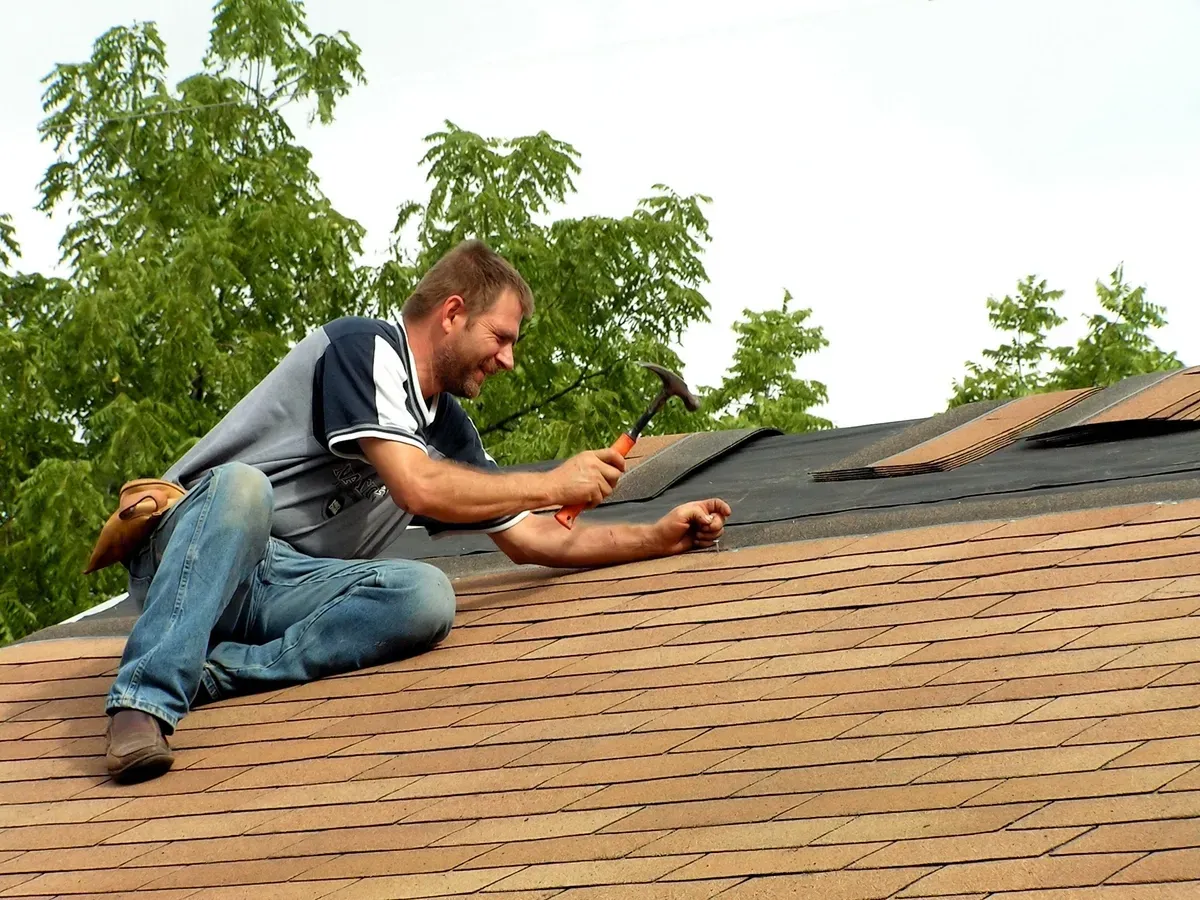
Are you a homeowner who has recently experienced storm damage? Dealing with the aftermath can be overwhelming, but don’t worry – we’ve got you covered.
In this article, we will share four essential tips that every homeowner should know when it comes to storm damage insurance claims.
When it comes to navigating the world of insurance claims, knowledge is power. That’s why our first tip is to review your insurance policy thoroughly. Take the time to understand what is covered and what limitations exist. This way, you won’t be caught off guard when it’s time to file a claim. Understanding the ins and outs of your policy will give you confidence in navigating the process.
Next up, documenting the damage is crucial. Take photos or videos of all affected areas and make detailed notes about any belongings that were damaged or destroyed. This evidence will play a vital role in supporting your claim and ensuring that you receive fair compensation for your losses. Remember, thorough documentation leaves no room for doubt.
By following these essential tips, you’ll be well-prepared to handle storm damage insurance claims like a pro. So take charge of your situation, gather all necessary evidence, and don’t hesitate to reach out to your insurance company for guidance along the way. Together, we’ll get through this challenging time and ensure that you receive the support you need as a homeowner facing storm damage.
Reviewing Your Insurance Policy
Want to make sure you’re fully covered? Take a few minutes to review your insurance policy before the next storm hits. It may not be the most thrilling task, but it’s essential for protecting your home and belongings.
Insurance policies can be complex, filled with jargon and fine print that can easily confuse you. But don’t worry, you don’t have to tackle this alone. Reach out to your insurance agent who can help guide you through the process and answer any questions you may have.
When reviewing your insurance policy, pay attention to the details. Make sure your coverage limits are adequate to replace or repair any damages caused by a storm. Check if there are any exclusions or limitations that may affect your ability to file a claim in case of storm damage.
Additionally, verify that you have all the necessary endorsements or add-ons for specific risks like flooding or windstorm damage, as these are often not included in standard policies.
Taking the time now to understand your insurance policy will give you peace of mind when severe weather strikes. You’ll know exactly what is covered and how much reimbursement you can expect if disaster strikes.
So grab a cup of coffee, cozy up on the couch with your policy documents, and make sure you’re prepared for whatever Mother Nature throws at you!

Understanding Coverage and Limitations
To ensure a smooth and enjoyable process, it’s essential to gather evidence of regular maintenance and inspections when filing a roof leak insurance claim. This step is crucial as it demonstrates your commitment to taking care of your property and helps establish the credibility of your claim.
Start by collecting any documentation related to roof repairs or maintenance you’ve done in the past. This could include invoices, receipts, or contracts with roofing professionals. Additionally, gather any inspection reports that show the condition of your roof prior to the leak occurring. By presenting this evidence, you’re showing the insurance company that you’ve been proactive in maintaining your roof’s integrity.
In addition to paperwork, consider taking photographs or videos of your roof before and after any repairs or inspections. These visual records can provide compelling evidence of the condition of your roof at different points in time. Make sure to capture clear images that highlight any areas where repairs were made or potential issues were identified during inspections. Including timestamps on these visuals can further strengthen their impact.
By gathering evidence of regular maintenance and inspections, you’re not only demonstrating responsibility but also building trust with the insurance company handling your claim. This level of transparency can help expedite the process and increase the likelihood of a successful outcome.
Remember, providing thorough documentation shows that you value your property and take its upkeep seriously – qualities that insurers appreciate when assessing claims. So be diligent in collecting all relevant information and present it confidently as part of your roof leak insurance claim for a smoother experience overall.
Documenting the Damage
When you’re ready to reach out to your insurance company, simply give them a call and let them know about the situation. Be prepared with all the necessary information, such as your policy number and details of the roof leak incident. Remember to remain calm and polite throughout the conversation, as this will help establish a positive relationship with the insurance representative.
During the call, be sure to provide a clear and concise description of what happened. Explain how the roof leak occurred, when it was discovered, and any immediate actions taken to mitigate further damage. It’s also important to mention if any professionals were called in for repairs or assessments.
The more specific and detailed you can be about the situation, the better it will be for both parties involved.
By reaching out promptly and openly communicating with your insurance company about your roof leak claim, you’ll increase your chances of a successful outcome. Keep in mind that building an intimate connection with your insurer may not only expedite the claims process but also create a sense of trust between both parties. Remember, they’re there to help you through this stressful time, so don’t hesitate to ask questions or seek clarification on any aspect of your claim.
Gathering Evidence for Your Claim
Understanding your insurance policy is crucial in navigating the process of filing a claim for a roof leak incident, so let’s delve into the key aspects you need to know.
First and foremost, take the time to thoroughly read and understand your insurance policy. It may seem like a daunting task, but it’ll save you from any surprises or misunderstandings later on. Pay close attention to the coverage limits, deductibles, and exclusions related to roof leaks.
Next, familiarize yourself with the specific terms and conditions of your policy regarding roof leaks. Look for any clauses that may affect your claim, such as age restrictions on roofs or requirements for regular maintenance. Understanding these details will help you determine if your claim is eligible for coverage.
Additionally, make sure to document any pre-existing damage or issues with your roof before filing a claim. This can include photographs or videos that clearly show the condition of your roof prior to the leak. Having this evidence will strengthen your case and provide proof that the damage wasn’t caused by negligence on your part.
By understanding your insurance policy inside out and being aware of its terms and conditions related to roof leaks, you’ll be better equipped to navigate the claims process successfully. Remember, knowledge is power when it comes to dealing with insurance companies, so don’t hesitate to ask questions if something’s unclear.
Contacting Your Insurance Company
Navigating the process of filing a roof leak claim is like embarking on a journey to get your home back to its pristine condition. It can feel overwhelming and confusing at times, but with the right steps, you can successfully navigate through it.
The first step is to gather all the necessary information and documentation. This includes details about the damage, photographs, receipts for any repairs or temporary fixes you may have done, and most importantly, your insurance policy.
Once you have all the necessary information, it’s time to contact your insurance company and file the claim. Be prepared to provide them with all the relevant details about the roof leak and its impact on your home. Remember to be thorough in explaining the extent of the damage and how it has affected your daily life. Keep in mind that being proactive and responsive during this process will help expedite your claim.
Throughout this journey, it’s important to maintain open lines of communication with your insurance company. Stay in touch regularly to check on the progress of your claim and provide any additional information they may need. Remember that patience is key as these processes can sometimes take time.
Making a roof leak insurance claim can be a daunting task, but by following these steps and staying engaged in the process, you’ll be one step closer towards getting your home back to its former glory.

Hiring a Public Adjuster
Now that you’ve contacted your insurance company and started the process of filing a storm damage insurance claim, it’s time to consider hiring a public adjuster. This step can greatly benefit you as a homeowner, as a public adjuster is an independent professional who works on your behalf to negotiate with the insurance company for a fair settlement.
Hiring a public adjuster can take some of the burden off your shoulders during this stressful time. They have extensive knowledge and experience in dealing with insurance claims, which means they know exactly what to look for when assessing the damages and calculating the appropriate compensation. With their expertise, they can help ensure that you receive the maximum amount possible from your claim.
Additionally, having someone representing your interests can level the playing field when negotiating with insurance companies who often have teams of experts working for them. By enlisting the services of a public adjuster, you are giving yourself an advocate who will fight for your rights and work tirelessly to get what you deserve.
So, if you want someone by your side who understands the ins and outs of storm damage insurance claims and has your best interests at heart, hiring a public adjuster is definitely worth considering. They will handle all aspects of your claim, from documenting damages to negotiating settlements, allowing you to focus on recovering from the storm’s impact on your home.
Don’t underestimate the power of having an expert in your corner; it could make all the difference in ensuring that you receive fair compensation for any damages incurred.
Filing Your Claim and Following Up
To ensure a smooth process, it’s important that you file your claim promptly and follow up with your insurance company for updates. Don’t delay in reporting the storm damage to your insurance provider as soon as possible.
The sooner you file your claim, the faster they can start assessing the damages and get the reimbursement process underway. Remember, time is of the essence when it comes to filing an insurance claim after a storm.
After filing your claim, make sure to follow up with your insurance company regularly. It’s understandable that you may be anxious about getting things back to normal after experiencing storm damage, so keeping in touch with your insurer will help alleviate some of that stress.
Be proactive and reach out to them for updates on the progress of your claim. By staying engaged in the process, you can ensure that any necessary documentation or information is provided promptly, helping to expedite the resolution of your claim.
Your insurance company is there to assist you through this challenging time, so don’t hesitate to reach out and maintain open lines of communication.