



The Benefits Of Installing Solar Panels On Your Home’s Roof
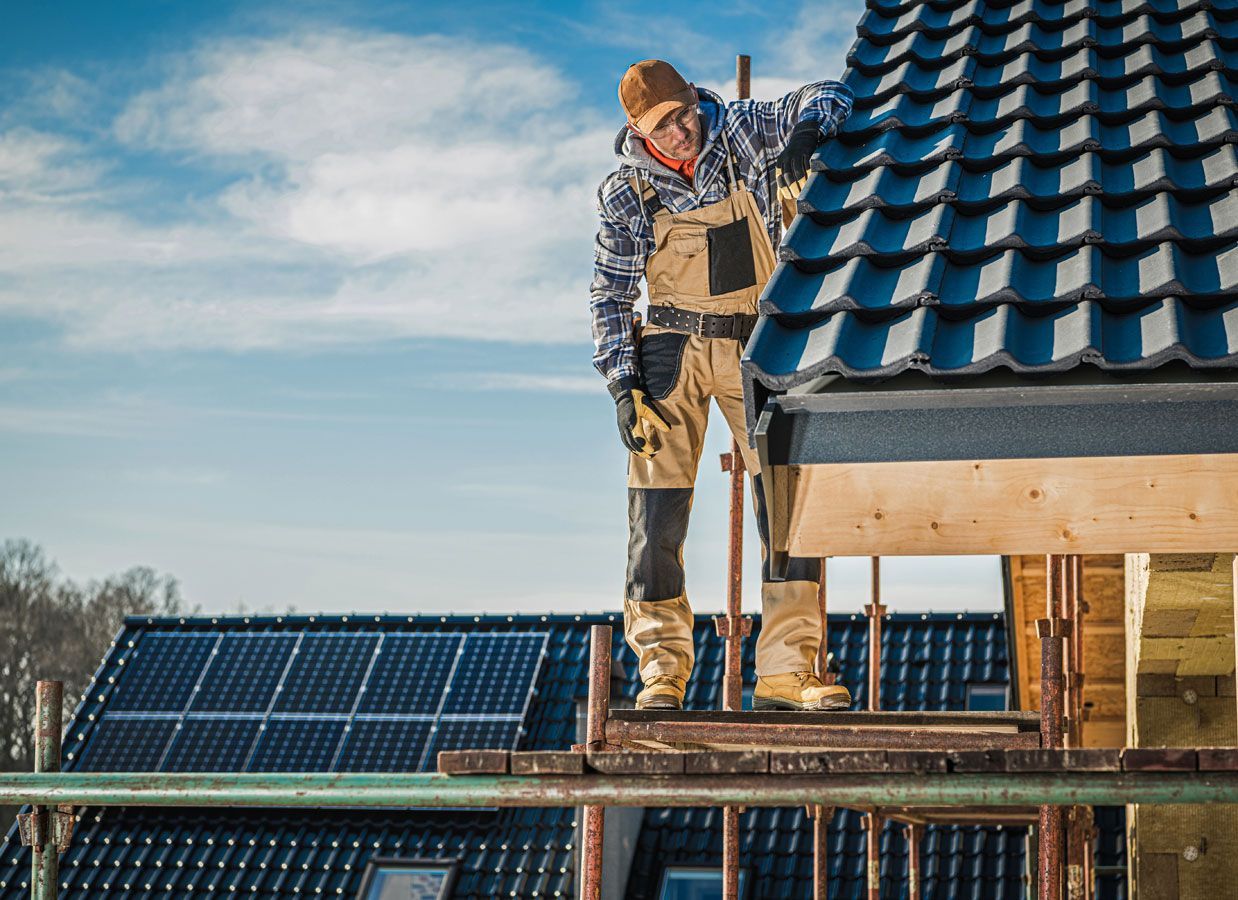
Installing solar panels on your home’s roof has become a desirable option for many homeowners.
It is an environmentally conscious choice, as well as providing significant economic benefits to the homeowner.
This article will discuss what these benefits are and why installing solar panels is such an attractive choice for so many people.
The use of renewable energy sources like solar power is becoming increasingly popular in modern times due to its potential environmental and financial advantages.
With more and more homes turning toward solar panel installation, it is important to understand how this technology can benefit both individuals and their local communities.
By exploring the various ways that solar panels can help reduce costs while also reducing emissions, readers will be able to make informed decisions about whether or not they should consider making the switch themselves.
Cost Savings
The installation of solar panels on a home’s roof presents comprehensive cost savings.
Homeowners can reduce their electricity bills substantially since the sun is the primary source of energy, thus eliminating dependence on external sources of power and money spent to purchase it from those sources.
This makes households more self-sustaining and decreases overall costs for homeowners.
Furthermore, in most instances, there are local government incentives such as tax credits or rebates that help lower initial installation expenses.
The long term economic benefits make this investment a wise one as these systems have been designed to operate reliably over a period of 30 years, with minimal maintenance needed.
With an ability to generate excess energy, homeowners may also be eligible to participate in net metering programs which allow them to sell surplus electricity back into the grid at a profit – resulting in even greater savings.
To summarize, installing solar panels onto your home’s roof offers significant financial advantages by reducing monthly bills while providing access to additional revenue streams through various incentive programs and net metering opportunities.
Increase In Home Value
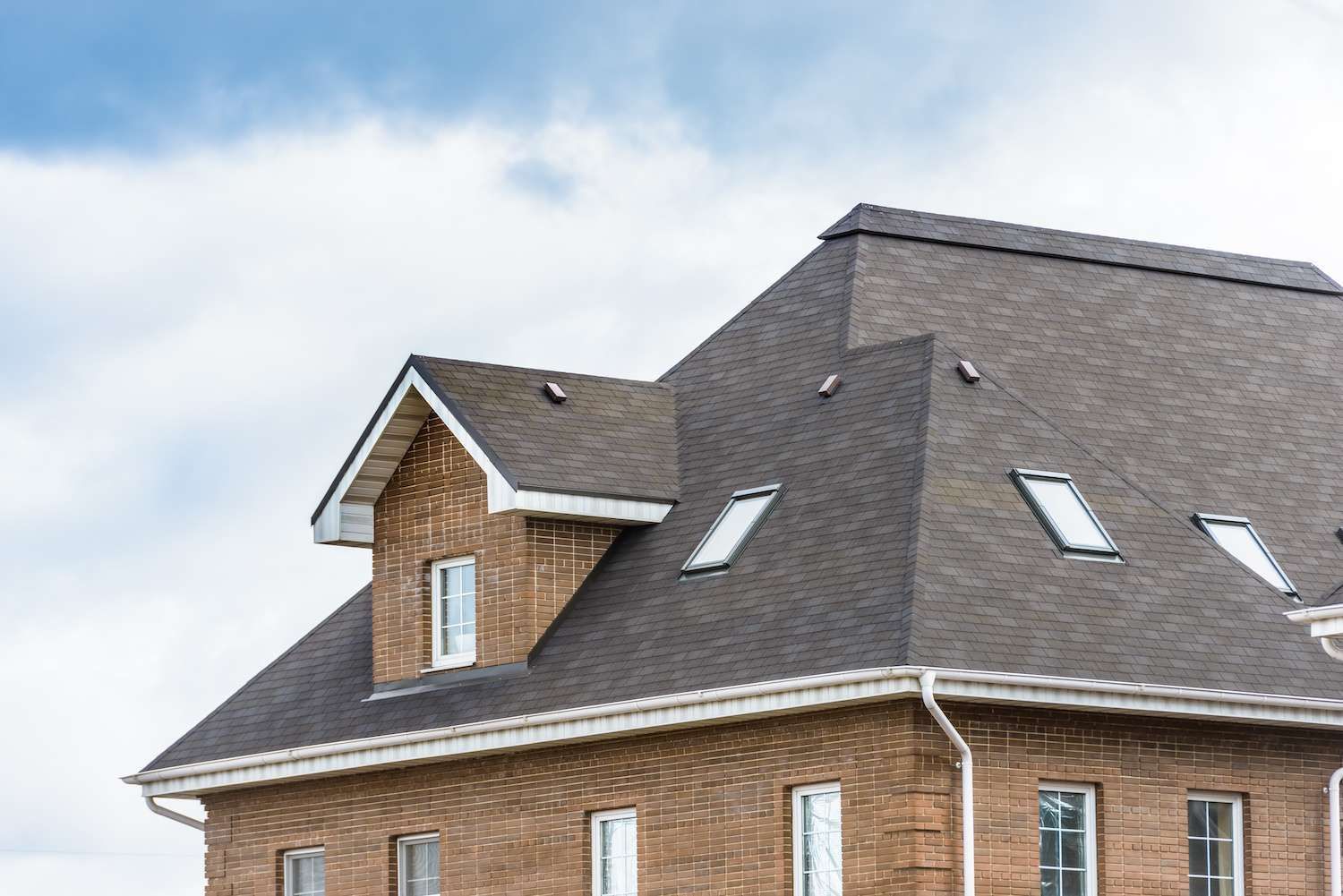
The installation of solar panels on the roof of a home has been proven to increase its value.
A study by Lawrence Berkeley National Laboratory found that homes with fully-owned photovoltaic (PV) systems sold for an average of 4.1% more than comparable homes without PV systems, and other research suggests this figure can be as high as 6%.
This increase in home value is due to several factors such as reduced maintenance cost and energy subsidies associated with the purchase and installation process.
Installations costs are partially subsidized by government incentives, making them more affordable than they would otherwise be.
Furthermore, installing rooftop solar reduces electricity bills – meaning fewer expenses over time – which further increases the overall worth of a property.
Additionally, solar panel installations require little routine or emergency maintenance resulting in virtually no additional expense after their initial installation.
As such, homeowners who invest in the installation of rooftop solar benefit from both immediate savings and long-term returns through increased home value when it comes time to sell their house.
Tax Credits And Incentives
Installing solar panels on the roof of one’s home can provide various benefits, including tax credits and incentives. Incentive tiers are available depending on financial circumstances; they vary from state to state in the United States.
Tax breaks may be applied at both federal and local levels, with some states offering up-front grants or rebates. Financing options also exist for those who cannot pay outright for a system installation.
Solar panel leasing programs allow homeowners to purchase energy produced by photovoltaic systems without having to install their own equipment or incur costs associated with purchasing and maintaining it.
The U.S. government has created several initiatives over the years that encourage people to invest in renewable energy sources like solar power. The federal Investment Tax Credit (ITC) allows taxpayers to deduct 30 percent of their qualified expenses from their taxes when installing solar panels on their homes.
Additionally, many utility companies offer net metering services which credit customers for extra electricity generated by their PV systems back onto the grid for later use as needed. These types of incentives help make solar installations more affordable and attractive investments than ever before, providing substantial savings over time while helping reduce emissions into the environment simultaneously.
Environmental Benefits
The installation of solar panels on residential roofs is an increasingly popular choice for homeowners seeking to reduce their environmental impact.
Homeowners are becoming more conscious about the benefits of renewable energy and its potential effect on reducing emissions, thus leading to a decrease in carbon footprint.
Not only does installing solar panels help protect our environment from further degradation due to greenhouse gases, but it also helps save money.
Solar panel installations result in significant financial savings since they generate electricity without having to pay monthly utility bills.
Additionally, incentives and tax credits may be available in some areas, making them even more attractive options for those who want to go green while saving money at the same time.
By choosing solar power as an alternative source of energy, homeowners can have peace of mind knowing that they are doing their part in protecting our planet’s future generations from climate change and other environmental issues caused by human activity.
Energy Security
Having estimated the cost of a potential repair, it is then important to determine how long the item will last in order to make an informed decision.
Comparing models and reviewing features can help one gauge what kind of lifespan they may expect from their product.
Additionally, researching customer reviews or discussing the product with other users who have already purchased it can be beneficial when measuring longevity.
It is also possible that after considering both costs and lifespans, you may find that a complete replacement would ultimately be more suitable than repairing your existing equipment.
In such cases, careful research should still be conducted into the quality and performance of different products before making any decisions about upgrades or replacements.
Improved Air Quality
When considering whether a complete replacement is needed, it is important to explore alternatives and evaluate available options.
An effective way to do this is by assessing the availability of parts that could be used for repair or maintenance purposes.
It may not always be clear if existing components can solve the problem at hand, but researching potential solutions can help inform decision-making about how best to proceed with repairs or replacements.
It is worth noting that some problems may require more complex parts than others, making them more difficult and expensive to replace.
Factors such as age and condition of the part should also be taken into account when determining its suitability for use in a particular situation.
This makes them both an economical and practical option for those wishing to make more sustainable decisions regarding energy production within their households.
Potential For Net Metering
Net metering is an important factor in homeowners considering solar panel installation. It is a system used to measure the electricity generated by their photovoltaic systems, and then calculate it against what they have consumed from the grid.
This allows them to essentially offset or reduce their energy bills as excess energy produced can be credited back to the homeowner’s account while any shortfalls are taken up by traditional sources of power. In essence, net metering enables homeowners to achieve greater levels of energy independence with reduced bills and more control over how much money they spend on electricity each month.
The ability for homeowners to generate clean, renewable energy and use it themselves rather than pay expensive utility companies offers numerous monetary benefits. Not only do these individuals reap financial returns due to lower monthly costs but also potential tax credits that may be available depending on where they live which further aids in reducing overall out-of-pocket expenses associated with installing solar panels.
Ultimately, this provides peace of mind knowing that not only are there cost savings when using solar power but investments into green technology are being made.
Conclusion
Installing solar panels on a home’s roof can offer numerous benefits. These include:
- Cost savings
- An increase in the value of one’s home
- Tax credits and incentives
- Environmental protection
- Energy security
- Improved air quality
- The potential for net metering
With all these advantages taken into account, it is clear that using solar energy to power one’s home should be strongly considered. Solar energy decreases dependence on traditional sources of electricity while providing long-term financial savings and helping protect the environment.
Overall, installing solar panels appears to be a wise decision with many potential gains in both convenience and sustainability.