



Unexpected Problems a Roof Inspection Can Uncover
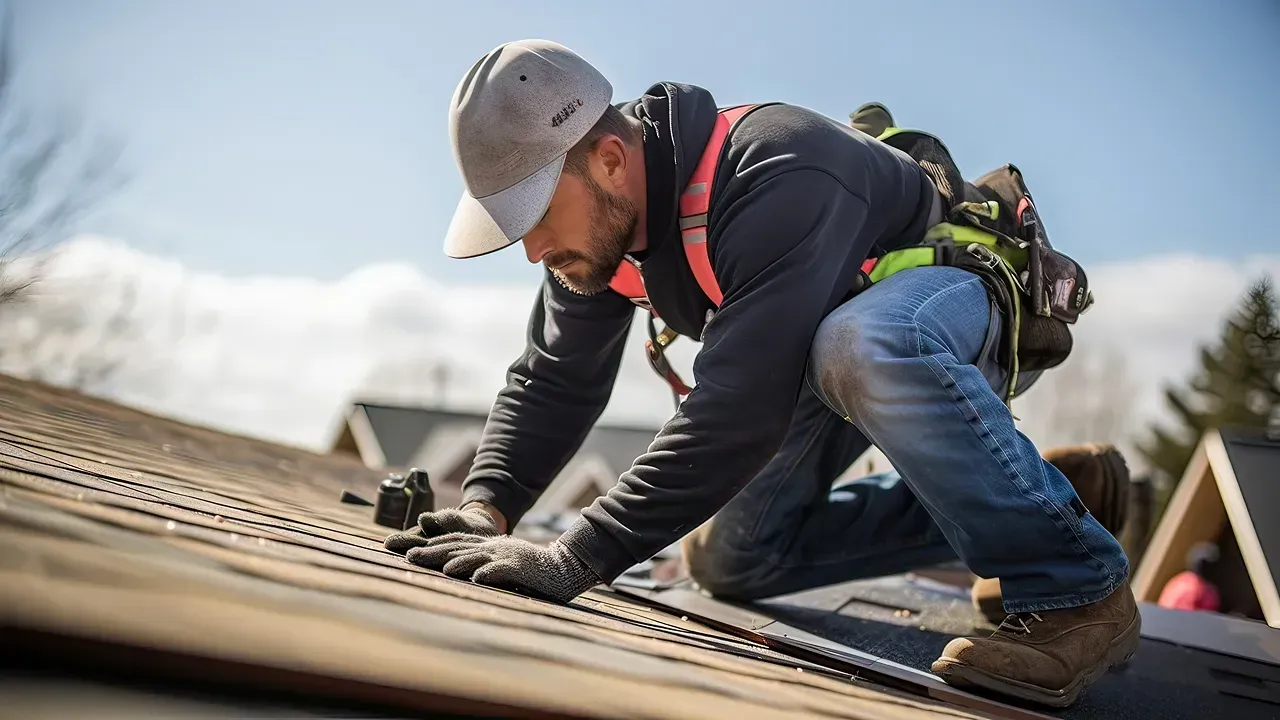
Your roof protects your home from rain, wind, and extreme weather, but how often do you check to see if it’s still in good shape? Many homeowners assume their roof is fine until a major problem arises. However, a professional inspection can reveal hidden issues that, if left unchecked, could lead to costly repairs. Understanding the roof inspection benefits can help homeowners in Edgewater, Maryland, catch these problems early and avoid serious damage.
If you haven’t had your roof inspected recently, now is the time to schedule one. A Roof Inspection can uncover problems that aren’t visible from the ground, ensuring your home stays protected year-round.
Why Roof Inspections Matter
Many roofing issues start small and worsen over time. Regular inspections help identify potential problems before they lead to expensive repairs. Here are some unexpected issues a roof inspection can uncover
Step-by-Step Roof Replacement Process
1. Hidden Leaks and Water Damage
The first step in the roof replacement process is a thorough inspection by a professional roofing contractor. This includes:
- Assessing the current condition of shingles, flashing, and underlayment
- Checking for leaks, mold, and structural weaknesses
- Measuring roof dimensions to provide an accurate cost estimate
A reputable roofing company will provide a detailed estimate, outlining material options, labor costs, and project timelines.
2. Structural Weakness
Selecting the right roofing material is crucial for durability, energy efficiency, and aesthetics. Popular options include:
- Asphalt Shingles – Affordable, versatile, and widely used in residential homes
- Metal Roofing – Long-lasting, weather-resistant, and energy-efficient
- Tile or Slate Roofing – Highly durable but more expensive and heavier
- Cedar Shake Roofing – A natural, rustic look with good insulation properties
Your choice should factor in
3. Damaged or Missing Shingles
Before installation begins, homeowners and contractors take steps to protect the property:
- Moving patio furniture, grills, and outdoor plants away from the work zone
- Covering landscaping and windows with protective sheets
- Informing neighbors about potential noise and debris during the project
4. Flashing and Sealant Issues
The existing roofing materials are removed to inspect and prepare the roof deck. This step involves:
- Stripping away shingles, underlayment, and flashing
- Checking for rotted wood or structural damage
- Repairing or replacing any compromised sections
- Proper removal ensures a solid foundation for the new roof.
5. Clogged or Damaged Gutters
Once the roof deck is cleared and repaired, the next step is installing waterproof underlayment and flashing:
- Underlayment – A protective layer that prevents moisture from seeping into the home
- Flashing – Metal strips placed around chimneys, vents, and valleys to prevent leaks
This step is essential for weatherproofing the roof and preventing future water damage.
6. Pest and Animal Damage
With the underlayment in place, the new shingles, tiles, or panels are installed:
- Starting from the bottom and working upwards for proper overlap
- Securing each layer according to manufacturer guidelines
- Ensuring proper alignment for a clean, finished look
Professional installation ensures the roof performs well against wind, rain, and sun exposure.
7. Poor Ventilation and Insulation Problems
Once installation is complete, contractors clean up the work area:
- Removing debris and stray nails from the property
- Checking the roof for any misaligned or loose shingles
- Conducting a final walkthrough to ensure quality workmanship
A professional Roof Replacement company will also provide warranty details and maintenance tips.
8. Hail and Storm Damage
Most residential roof replacements take one to three days, depending on factors like:
- The size of the home
- Weather conditions
- The complexity of the roof design
- The type of roofing material used
Larger or more intricate roofing projects may take longer, but an experienced contractor will provide a realistic timeline.
How Often Should You Get a Roof Inspection?
Investing in a new roof offers long-term benefits, including:
Early Problem Detection
A new roof prevents leaks, mold growth, and structural issues, keeping your home safe from water damage.
Extends Roof Lifespan
Modern roofing materials provide better insulation, reducing heating and cooling costs.
Protects Home Value
A new roof enhances the appearance of your home, increasing its value and appeal.
Helps with Insurance Claims
Homebuyers prefer properties with updated roofs, making a replacement a valuable investment.
Final Thoughts
The roof replacement process may seem overwhelming, but working with a trusted professional ensures a smooth and successful project. For homeowners in Edgewater, Maryland, regular roof inspections and timely replacements help protect homes from the region’s unpredictable weather.
If your roof is aging, showing signs of damage, or nearing the end of its lifespan, consider a professional Roof Replacement to safeguard your home for years to come.
Frequently Asked Questions
How often should I replace my roof?
The lifespan of a roof depends on the material. Asphalt shingles last 20-25 years, while metal and tile roofs can last 40-50 years or more.
Will my homeowner’s insurance cover a roof replacement?
If the damage is caused by a covered peril (such as a storm), insurance may help cover the cost. However, general wear and tear is typically not covered.
Can I stay in my home during a roof replacement?
Yes, but expect noise and some disruption. Most roof replacements are completed within a few days.
What factors affect the cost of a roof replacement?
The price depends on the roofing material, home size, labor costs, and any necessary structural repairs.
What is the best roofing material for homes in Edgewater, MD?
Asphalt shingles are a popular choice for affordability and durability, while metal roofs offer excellent weather resistance for Maryland’s climate.
How can I extend the life of my new roof?
Regular maintenance, including inspections, cleaning gutters, and addressing minor repairs quickly, will help prolong the lifespan of your roof.