



How To Prepare Your Roof For Harsh Weather
Preparing a roof for harsh weather is an important part of home maintenance. It helps to prevent costly repairs and damage due to inclement weather conditions.
This article will detail the steps necessary to ensure that roofs are ready for whatever Mother Nature throws their way.
To begin, it is essential to understand what type of roofing material is being used on the home. Different materials require different care and protection in order to stand up against heavy rain, hail, snow and wind.
From there, homeowners can decide if they wish to perform basic tasks themselves or hire a professional contractor. Either option requires research into local codes and regulations as well as understanding how best to protect the investment made in a quality roof structure.
Understanding The Roofing Material
In order to properly prepare a roof for harsh weather, it is important to understand the material used in its construction.
Evaluating the durability of different types of materials can help determine which type would be best suited to an area’s climate and conditions.
For example, asphalt shingles are generally considered more durable than wood shakes when exposed to extreme temperatures or high winds.
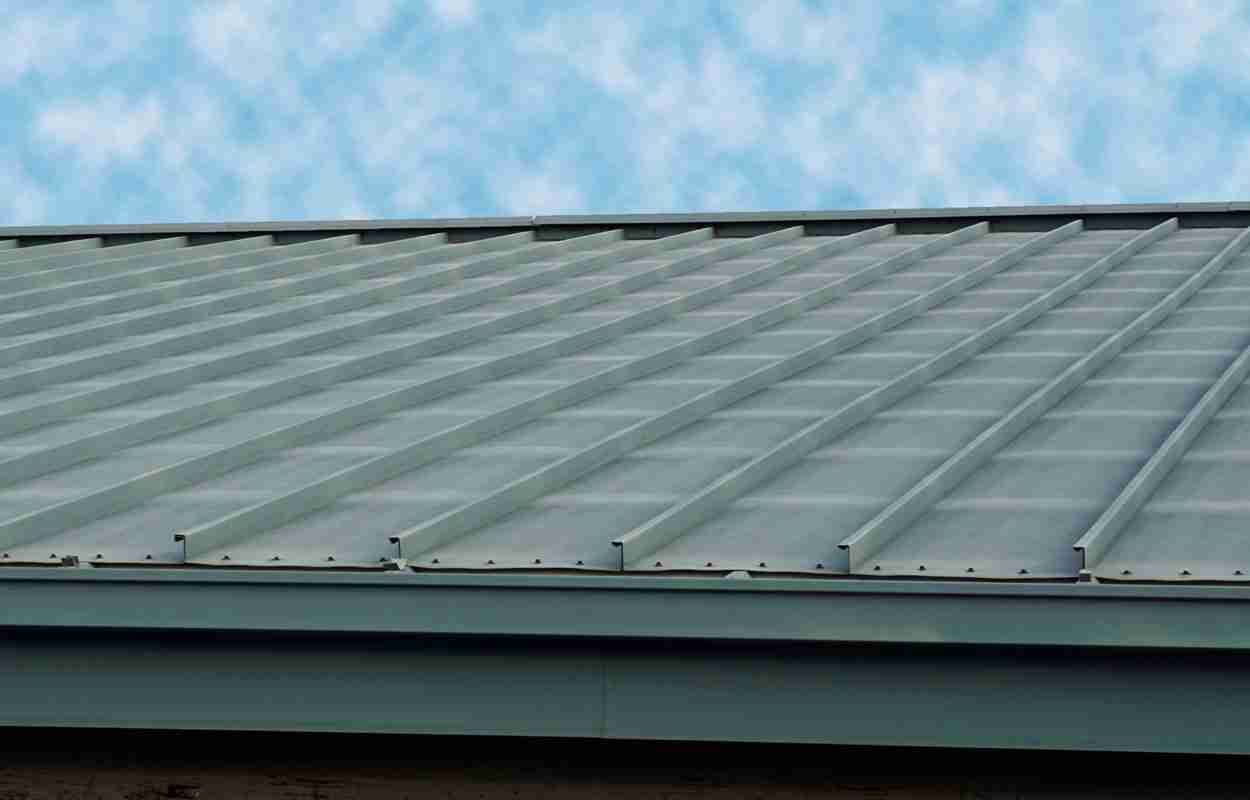
Additionally, metal roofs tend to fare better against hail damage than other materials such as slate or tile.
It is also important to take into account how much maintenance each material requires over time; some require regular inspections and repairs while others may not need any additional attention after installation.
Comparing the costs associated with different materials along with the longevity they provide can help homeowners make informed decisions about what kind of roof will suit their needs.
Regardless of the material chosen, proper installation techniques should always be followed in order to ensure that the roof performs as expected under difficult weather conditions.
Sealing around penetrations and vents helps protect from water infiltration, while proper flashing details on ridge caps and eaves prevent wind-driven rain from entering the structure.
High quality sealants should be applied during installation and checked periodically for signs of wear or degradation due to exposure to sun, rain or snow.
Taking these steps before severe weather hits ensures that your roof will stand up strong against whatever Mother Nature throws at it!
Inspecting The Roof For Damage
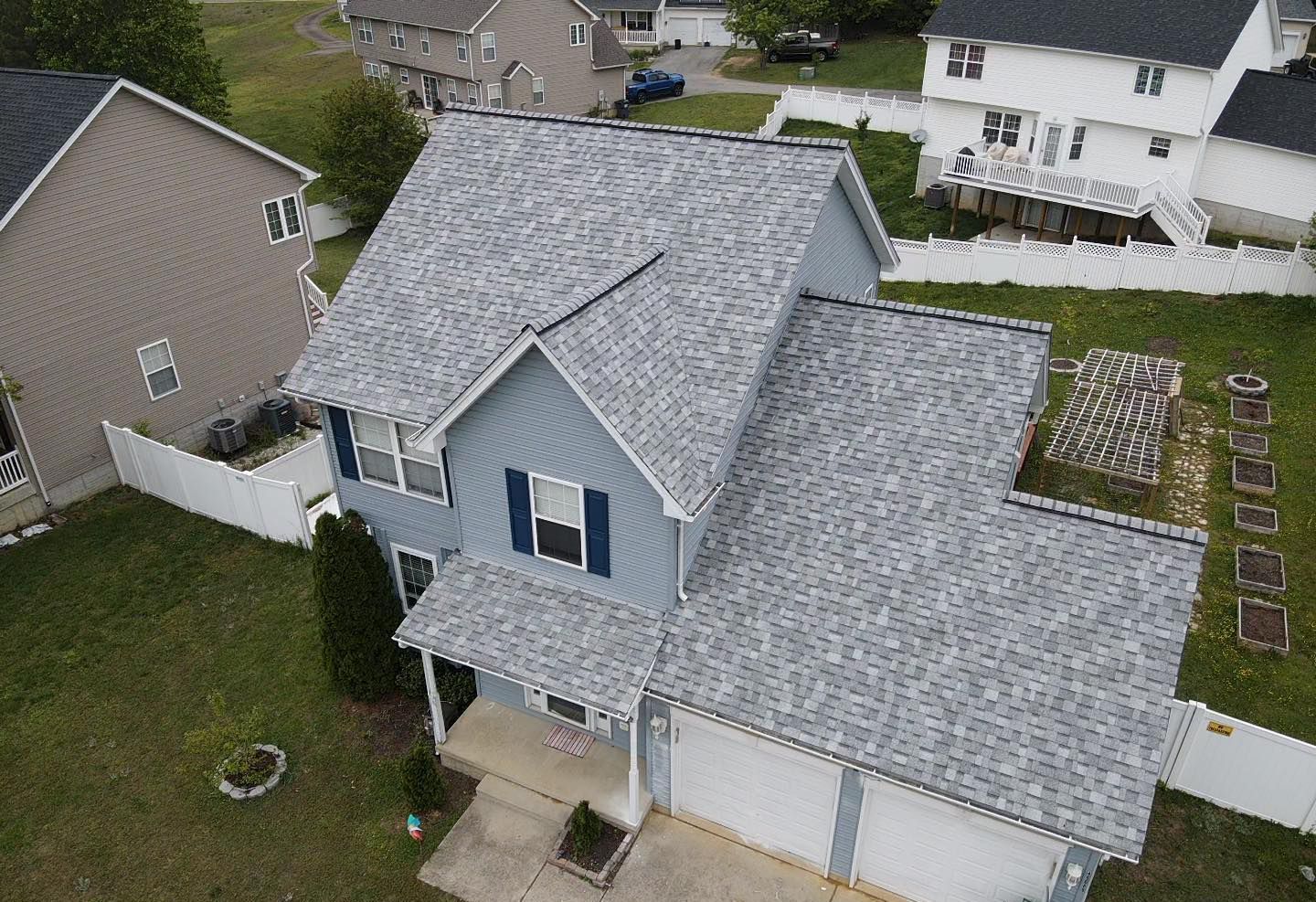
The presence of damaged or missing shingles is one of the most common indicators that a roof may be leaking. This can occur due to age, extreme weather conditions, and other natural causes.
Rotting wood on any part of the roof is another obvious sign that the roof needs attention. In particular, ice dams tend to form during colder months in climates with freezing temperatures, causing snow to melt from upper portions of the roof and refreeze around edges and gutters.
As this process continues over time it can lead to water pooling which will weaken shingles and eventually cause them to crack or break off entirely. The resulting damage should be addressed as soon as possible before further issues arise.
It’s important to inspect your entire roof periodically for these signs so any necessary repairs can be made quickly and efficiently.
Cleaning The Roof
As any homeowner knows, one of the most important factors in choosing a color scheme for their home’s exterior is considering its architecture. Evaluating architectural styles can help homeowners identify trends and gain insight into how to best complement it with the right color palette.
It is also essential that homeowners consider the overall climate and environment when selecting paint colors as certain hues are more suitable than others depending on where you live. By evaluating these elements beforehand, homeowners can choose a color scheme that will stand out while still maintaining a sense of harmony within their specific environment.
Certain materials such as brick or stone often present additional challenges since they come in limited shades and have unique characteristics that must be taken into account. While lighter tones tend to absorb heat, darker ones reflect it which could cause issues during warmer months if not properly addressed. In addition, textures may vary between different types of bricks or stones making them difficult to match with other paints.
However, by taking all of these considerations into account, homeowners can make an informed choice about what type of color scheme would work best for their particular residence.
Sealing Cracks And Gaps
When choosing the right color scheme for your home’s exterior, it is important to consider how different hues and shades will work together.
Complementary colors are two distinct colors that appear opposite one another on the color wheel. For example, green and red can be used in combination with a neutral tone like white or gray to create an aesthetically pleasing look. Alternatively, you may opt for more subtle color combinations such as pastels or earth tones which evoke a calming mood.
In addition to taking into account complementary colors, mood lighting is also important when picking paint colors. Selecting lighter shades of blue or yellow can help make a space feel brighter while darker tones such as purple or navy tend to give off a more relaxed ambiance.
Consider using accent lights around windows and doors as well as other architectural elements to bring out certain aspects of your design choices. Ultimately, paying close attention to how different shades interact with each other can ensure that you pick the best possible palette for your home’s exterior.
Installing Flashing And Underlayment
Cork underlayment has been used for years in residential construction due to its sound insulation and environmental friendliness.
An alternative, PVC (polyvinyl chloride) underlayment, is a popular choice as well due to its aesthetic appeal and versatility. It offers many of the same benefits as cork but with greater durability .
PVC underlayment provides superior sound insulation compared to other materials such as foam. This makes it an excellent choice when installing flooring in areas that require extra noise reduction, like bedrooms or nurseries.
Furthermore, unlike some other types of underlayment, PVC does not contain hazardous chemicals, making it safe for indoor use without concern about off-gassing or health risks.
Additionally, PVC is one of the more environmentally friendly options available on the market today since it can be recycled multiple times. It also requires less energy input during production than traditional vinyl products like linoleum or carpet tiles.
Ultimately, this makes it an attractive option for those looking to reduce their carbon footprint while still achieving desired results in terms of performance and aesthetics.
Applying Protective Coatings
Acoustic underlayment is a type of sound-dampening material used in residential construction to limit the transmission of noise. It typically consists of foam or rubber that can be adhered directly onto subflooring, such as plywood and OSB (Oriented Strand Board).
This layer helps reduce reverberation between floors and walls, creating a quieter environment inside the home. Acoustic underlayment also provides thermal insulation while still allowing air circulation underneath floorboards, helping to maintain comfortable temperatures throughout the house.
In addition to its soundproofing properties, acoustic underlayment may provide additional cushioning for better impact sound absorption and comfort when walking on hard surfaces like tile or linoleum. It also acts as an extra barrier against moisture from entering through concrete slabs or basement levels into upper living spaces.
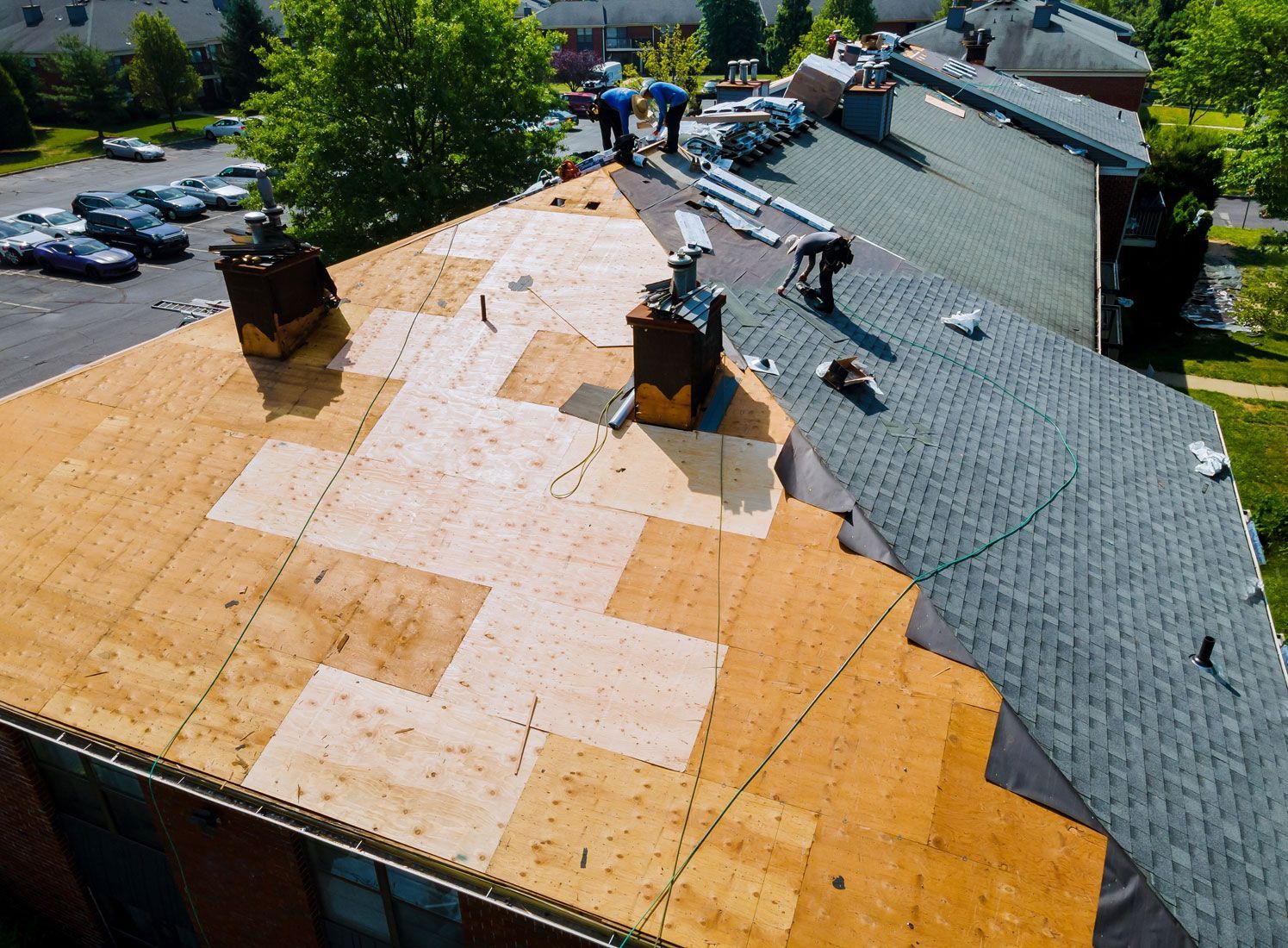
Ultimately, whatever product chosen should provide adequate protection while still allowing the material underneath to breathe properly.
Considering all these elements when evaluating and selecting coatings helps ensure that roofs are adequately prepared for any potential inclement weather conditions they may face during their lifetime.
Hiring A Professional Contractor
When the weather turns harsh, preparing your roof for the impending season is an essential step. Hiring a professional contractor to assist in this process can help ensure that all steps are taken properly and efficiently.
It is important to evaluate costs associated with hiring a professional before making any decisions. Researching contractors thoroughly will also be beneficial in finding one who meets both budgetary requirements as well as fulfills other needs such as quality of workmanship or customer service.
In addition to researching local contractors and evaluating their rates, it is also recommended to ask friends, family members, or colleagues if they have had experience working with specific professionals in the area. This allows you to get firsthand feedback on how reliable and trustworthy those individuals may be while also helping you narrow down potential candidates.
Ultimately, taking these steps ensures that when harsh weather arrives, your roof has been adequately prepared by knowledgeable personnel and ready for whatever comes its way.
Conclusion
It is essential to properly prepare a roof for harsh weather. Taking steps such as understanding the roofing material, inspecting it for damage, cleaning, sealing cracks and gaps, installing flashing and underlayment, applying protective coatings and hiring a professional contractor can all aid in protecting a home from inclement weather.
It is important that these tasks are completed correctly to ensure maximum protection against harsh weather conditions. A homeowner should never underestimate the importance of proper preparation when it comes to defending their home against hazardous weather.