



What Are The Most Common Signs Of Leaks On Your Roof?
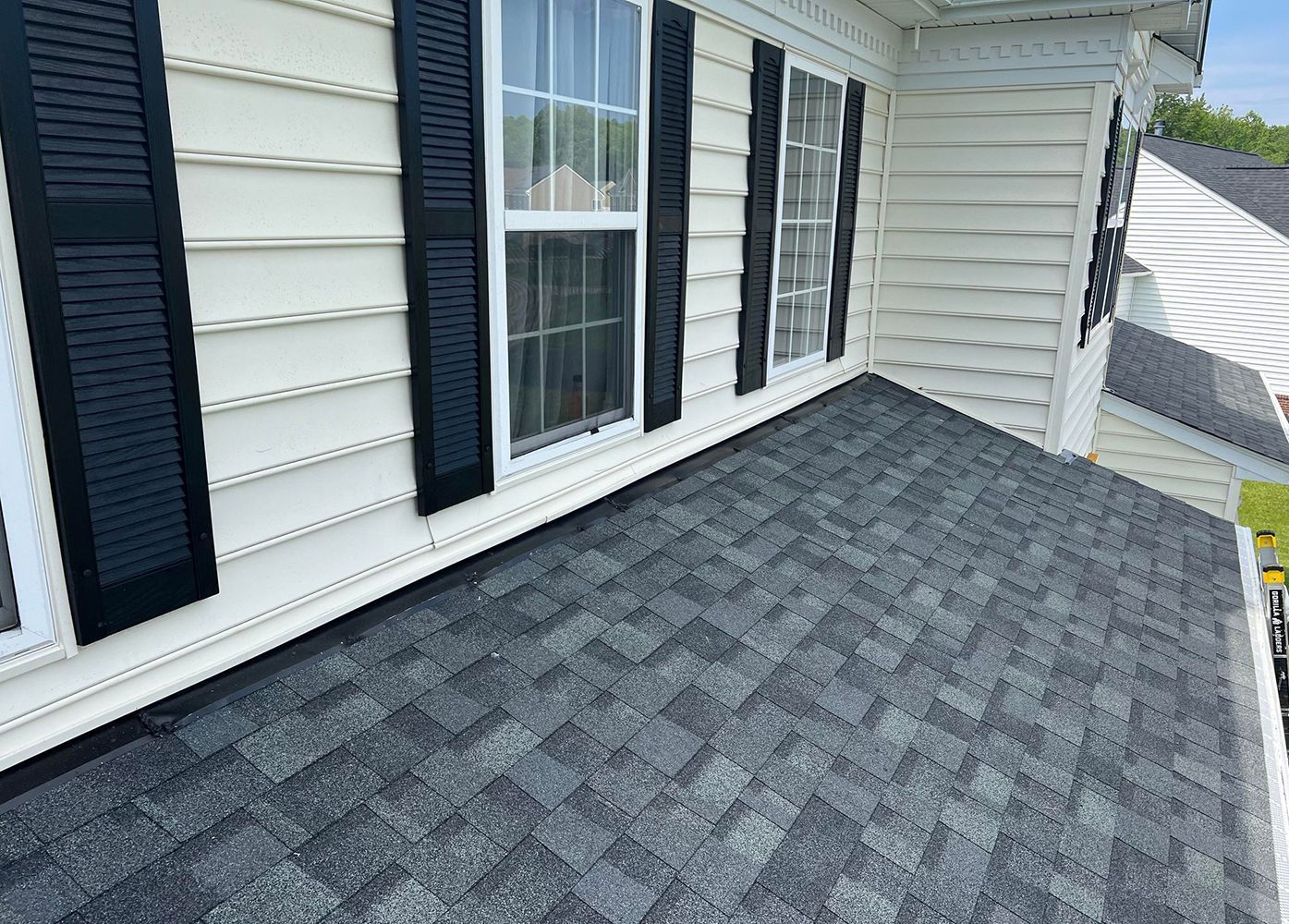
Leaks on a roof can be a cause for concern and costly repairs. It is essential to identify the signs of leaks before they become more serious and costlier to repair.
This article will discuss the most common signs of leaks on your roof, as well as tips for prevention and maintenance. Knowing these signs could help homeowners save time and money when it comes to keeping their roofs in good condition.
Furthermore, understanding how to diagnose potential problems with one’s roof system helps ensure that any damage caused by leaks is minimized or eliminated altogether. With this knowledge in hand, readers should feel empowered to take proactive steps toward protecting their investments from water damage.
Water Stains On Ceilings And Walls
A common sign of a leak on your roof is water stains on ceilings and walls. These can be caused by several factors, such as faulty or leaky gutters, flashing issues around roof penetrations (e.g. chimneys), blocked valleys between two parts of the roof, broken shingles or tiles, poor sealant joints in the roof, inadequate ventilation near the ridge line, etc.
Water stains may appear as dark spots or streaks that slowly spread across the ceiling or wall over time due to undetected leakage from above.
These signs should not be ignored; they indicate potential problems with underlying layers of material used as part of the building envelope which could lead to further deterioration if left unchecked.
You will likely need professional help identifying and fixing any underlying causes of these water stains so that you can avoid costly damage repairs later down the road.
Damaged Or Missing Shingles
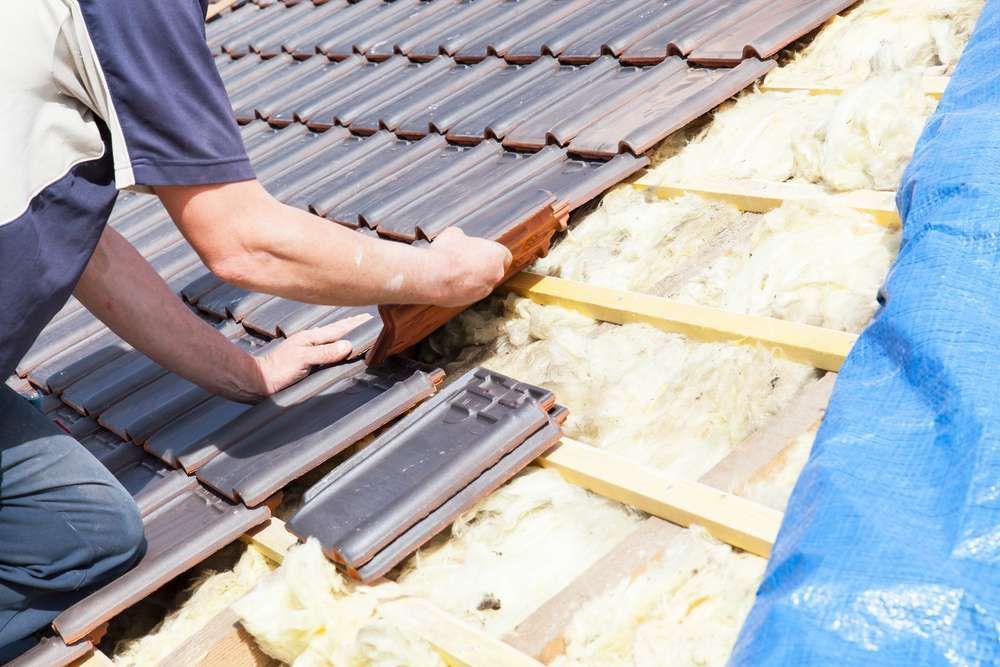
The presence of damaged or missing shingles is one of the most common indicators that a roof may be leaking. This can occur due to age, extreme weather conditions, and other natural causes.
Rotting wood on any part of the roof is another obvious sign that the roof needs attention. In particular, ice dams tend to form during colder months in climates with freezing temperatures, causing snow to melt from upper portions of the roof and refreeze around edges and gutters.
As this process continues over time it can lead to water pooling which will weaken shingles and eventually cause them to crack or break off entirely. The resulting damage should be addressed as soon as possible before further issues arise.
It’s important to inspect your entire roof periodically for these signs so any necessary repairs can be made quickly and efficiently.
Mold Or Mildew Growth
As any homeowner knows, one of the most important factors in choosing a color scheme for their home’s exterior is considering its architecture. Evaluating architectural styles can help homeowners identify trends and gain insight into how to best complement it with the right color palette.
It is also essential that homeowners consider the overall climate and environment when selecting paint colors as certain hues are more suitable than others depending on where you live. By evaluating these elements beforehand, homeowners can choose a color scheme that will stand out while still maintaining a sense of harmony within their specific environment.
Certain materials such as brick or stone often present additional challenges since they come in limited shades and have unique characteristics that must be taken into account. While lighter tones tend to absorb heat, darker ones reflect it which could cause issues during warmer months if not properly addressed. In addition, textures may vary between different types of bricks or stones making them difficult to match with other paints.
However, by taking all of these considerations into account, homeowners can make an informed choice about what type of color scheme would work best for their particular residence.
Cracked Or Blistering Paint
When choosing the right color scheme for your home’s exterior, it is important to consider how different hues and shades will work together.
Complementary colors are two distinct colors that appear opposite one another on the color wheel. For example, green and red can be used in combination with a neutral tone like white or gray to create an aesthetically pleasing look. Alternatively, you may opt for more subtle color combinations such as pastels or earth tones which evoke a calming mood.
In addition to taking into account complementary colors, mood lighting is also important when picking paint colors. Selecting lighter shades of blue or yellow can help make a space feel brighter while darker tones such as purple or navy tend to give off a more relaxed ambiance.
Consider using accent lights around windows and doors as well as other architectural elements to bring out certain aspects of your design choices. Ultimately, paying close attention to how different shades interact with each other can ensure that you pick the best possible palette for your home’s exterior.
Crumbling Mortar Or Caulking
Cork underlayment has been used for years in residential construction due to its sound insulation and environmental friendliness.
An alternative, PVC (polyvinyl chloride) underlayment, is a popular choice as well due to its aesthetic appeal and versatility. It offers many of the same benefits as cork but with greater durability .
PVC underlayment provides superior sound insulation compared to other materials such as foam. This makes it an excellent choice when installing flooring in areas that require extra noise reduction, like bedrooms or nurseries.
Furthermore, unlike some other types of underlayment, PVC does not contain hazardous chemicals, making it safe for indoor use without concern about off-gassing or health risks.
Additionally, PVC is one of the more environmentally friendly options available on the market today since it can be recycled multiple times. It also requires less energy input during production than traditional vinyl products like linoleum or carpet tiles.
Ultimately, this makes it an attractive option for those looking to reduce their carbon footprint while still achieving desired results in terms of performance and aesthetics.
Unusual Odors In The Attic
Acoustic underlayment is a type of sound-dampening material used in residential construction to limit the transmission of noise. It typically consists of foam or rubber that can be adhered directly onto subflooring, such as plywood and OSB (Oriented Strand Board).
This layer helps reduce reverberation between floors and walls, creating a quieter environment inside the home. Acoustic underlayment also provides thermal insulation while still allowing air circulation underneath floorboards, helping to maintain comfortable temperatures throughout the house.
In addition to its soundproofing properties, acoustic underlayment may provide additional cushioning for better impact sound absorption and comfort when walking on hard surfaces like tile or linoleum. It also acts as an extra barrier against moisture from entering through concrete slabs or basement levels into upper living spaces.
Furthermore, it adds strength and stability for floating wood floors by minimizing deflection and providing uniform support over longer spans. For these reasons, many homeowners choose acoustic underlayment during their renovations to improve both acoustics and comfort within their homes.
High Energy Bills
One of the most common signs of a leak on your roof is an increase in energy bills. Higher humidity levels or ice buildup near and around the area can be evidence for a possible water damage. This could mean that air conditioning systems are working harder than usual due to moisture entering through the broken shingles, resulting in higher electricity costs.
Additionally, if there is visible wetness within the attic space, this may suggest that condensation has been trapped inside as well. The presence of mold and mildew indicates further proof of a potential problem with leaks in the roof. If these issues go unaddressed, they can result in costly repairs later down the line.
It’s important to take any sign of roof leakage seriously and act quickly to prevent additional damage from occurring. A proactive approach will help avoid more extensive repair work and expensive replacement costs altogether.
Regular inspections should be done at least once or twice a year to ensure that small problems do not become larger ones over time. Furthermore, homeowners should pay attention to their utility bills as sudden increases may indicate something wrong with the integrity of their roofs.
Conclusion
It is important to take note of any signs that may indicate a roof leak.
Water stains on ceilings and walls, damaged or missing shingles, mold or mildew growth, cracked or blistering paint, crumbling mortar or caulking, unusual odors in the attic and high energy bills are among the most common indications of a potential problem.
Regular inspections should be conducted to ensure prompt detection of any issues with your roof as early intervention can save you from costly repairs down the road.
Taking proactive steps such as regularly inspecting your roof for these warning signs will help protect your home from water damage caused by leaks.