



Tips For Choosing The Right Color Scheme For Your Home’s Exterior

One of the most important aspects of home design is color selection, particularly for exterior paint. The right colors can make a house look stylish and inviting while poor choices may leave an unsightly impression.
It is essential to understand how different hues interact with each other in order to create a balanced aesthetic that complements the architecture of the residence and its natural surroundings. This article will provide tips on how to select a suitable color scheme for exteriors, ensuring that homeowners are able to create a beautiful space that reflects their personality and style.
Color has various psychological effects on people, which should be considered when choosing tones for the outside of one’s home. Colors evoke certain emotions based on cultural associations and personal experiences; understanding these subtle nuances helps ensure that one selects shades appropriate for their desired effect.
In addition, it is also important to consider factors such as climate and location relative to nearby homes when selecting a color palette. By considering all these elements along with individual tastes, homeowners can find the ideal combination of colors for their property’s exterior.
Understanding Color Psychology
The choice of color scheme for a home’s exterior is an essential decision. Color can influence the overall aesthetic, as well as the mood it creates among family and visitors alike.
To ensure that your chosen palette successfully harmonizes with both its surroundings and style of architecture, understanding the psychology of color is key.
Certain hues are known to have specific associations, such as blue evoking feelings of calmness or red conveying energy.
Additionally, when selecting shades for exteriors, homeowners should consider current color trends in their area – this will prevent them from creating a look which could become outdated quickly.
Understanding how different colors interact together also plays a vital role in achieving a successful outcome; by utilizing contrasting tones, one can create visual interest while still maintaining balance within the palette.
Taking Climate And Location Into Account
When choosing a color scheme for the exterior of your home, it is important to consider both the climate and location.
Incorporating seasonal trends can be beneficial in helping you create an aesthetically pleasing look that will last throughout each season.
Moreover, when selecting colors, take into account any existing landscaping designs so they match or complement one another.
The hue, saturation, and value of the paint should also be taken into account as these attributes impact how light reflects off the surface of your house.
Furthermore, certain hues may appear differently depending on where exactly you are located due to varying levels of sunlight in different geographic regions.
Therefore, taking all elements mentioned above into consideration is essential for creating a beautiful exterior design for any home.
Considering Your Home’s Architecture
As any homeowner knows, one of the most important factors in choosing a color scheme for their home’s exterior is considering its architecture. Evaluating architectural styles can help homeowners identify trends and gain insight into how to best complement it with the right color palette.
It is also essential that homeowners consider the overall climate and environment when selecting paint colors as certain hues are more suitable than others depending on where you live. By evaluating these elements beforehand, homeowners can choose a color scheme that will stand out while still maintaining a sense of harmony within their specific environment.
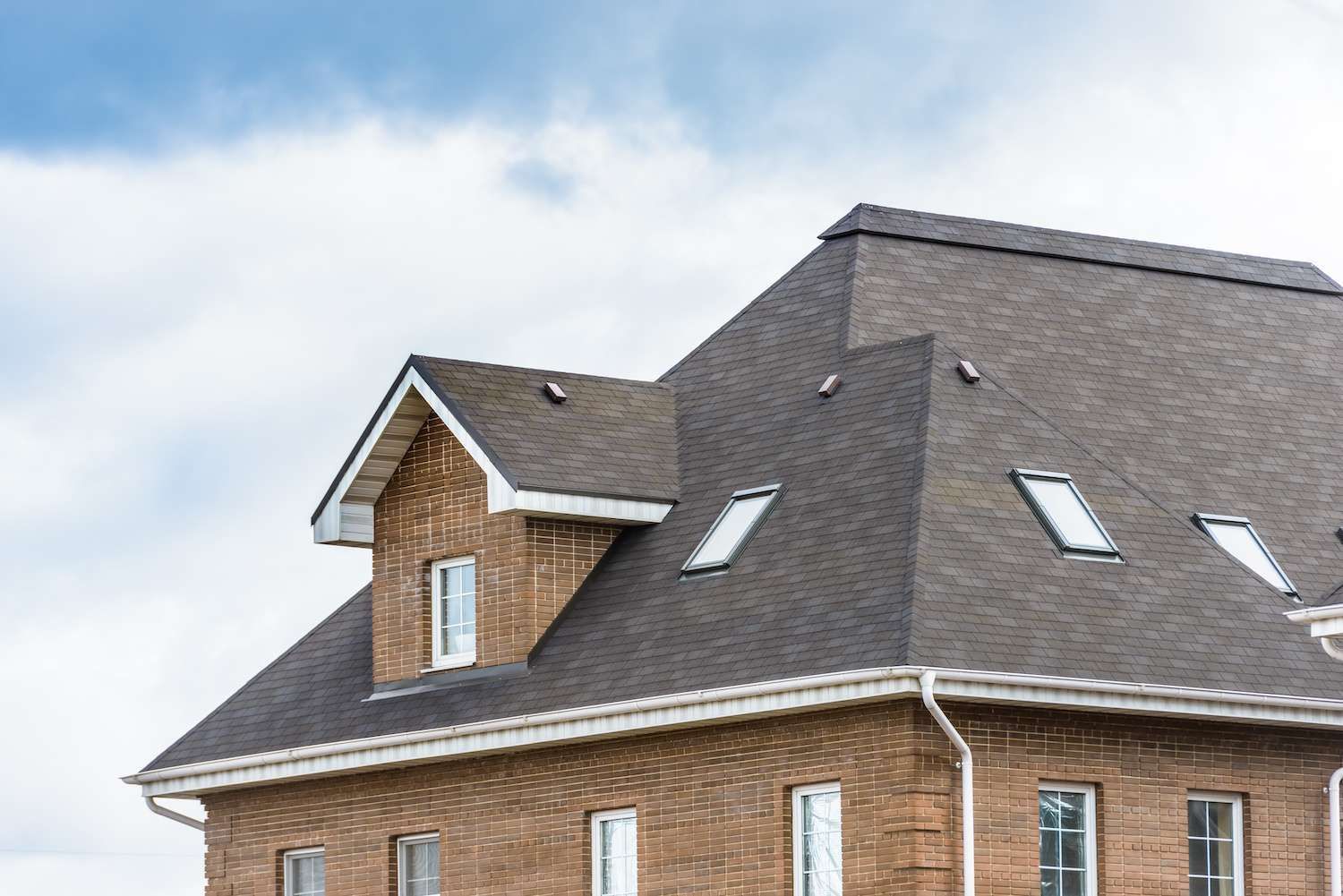
Certain materials such as brick or stone often present additional challenges since they come in limited shades and have unique characteristics that must be taken into account. While lighter tones tend to absorb heat, darker ones reflect it which could cause issues during warmer months if not properly addressed. In addition, textures may vary between different types of bricks or stones making them difficult to match with other paints.
However, by taking all of these considerations into account, homeowners can make an informed choice about what type of color scheme would work best for their particular residence.
Choosing The Right Shade
When choosing the right color scheme for your home’s exterior, it is important to consider how different hues and shades will work together.
Complementary colors are two distinct colors that appear opposite one another on the color wheel. For example, green and red can be used in combination with a neutral tone like white or gray to create an aesthetically pleasing look. Alternatively, you may opt for more subtle color combinations such as pastels or earth tones which evoke a calming mood.
In addition to taking into account complementary colors, mood lighting is also important when picking paint colors. Selecting lighter shades of blue or yellow can help make a space feel brighter while darker tones such as purple or navy tend to give off a more relaxed ambiance.
Consider using accent lights around windows and doors as well as other architectural elements to bring out certain aspects of your design choices. Ultimately, paying close attention to how different shades interact with each other can ensure that you pick the best possible palette for your home’s exterior.
Creating A Color Palette
Cork underlayment has been used for years in residential construction due to its sound insulation and environmental friendliness.
An alternative, PVC (polyvinyl chloride) underlayment, is a popular choice as well due to its aesthetic appeal and versatility. It offers many of the same benefits as cork but with greater durability .
PVC underlayment provides superior sound insulation compared to other materials such as foam. This makes it an excellent choice when installing flooring in areas that require extra noise reduction, like bedrooms or nurseries.
Furthermore, unlike some other types of underlayment, PVC does not contain hazardous chemicals, making it safe for indoor use without concern about off-gassing or health risks.
Additionally, PVC is one of the more environmentally friendly options available on the market today since it can be recycled multiple times. It also requires less energy input during production than traditional vinyl products like linoleum or carpet tiles.
Ultimately, this makes it an attractive option for those looking to reduce their carbon footprint while still achieving desired results in terms of performance and aesthetics.
Testing The Colors Before Painting
Acoustic underlayment is a type of sound-dampening material used in residential construction to limit the transmission of noise. It typically consists of foam or rubber that can be adhered directly onto subflooring, such as plywood and OSB (Oriented Strand Board).
This layer helps reduce reverberation between floors and walls, creating a quieter environment inside the home. Acoustic underlayment also provides thermal insulation while still allowing air circulation underneath floorboards, helping to maintain comfortable temperatures throughout the house.
In addition to its soundproofing properties, acoustic underlayment may provide additional cushioning for better impact sound absorption and comfort when walking on hard surfaces like tile or linoleum. It also acts as an extra barrier against moisture from entering through concrete slabs or basement levels into upper living spaces.

Furthermore, it adds strength and stability for floating wood floors by minimizing deflection and providing uniform support over longer spans. For these reasons, many homeowners choose acoustic underlayment during their renovations to improve both acoustics and comfort within their homes.
Incorporating Accent Colors
Carpet underlayment is a key component in residential construction for soundproofing techniques and floor insulation. It is typically made from foam, rubber or felt and can be used to reduce noise across the living space.
Carpet underlays are available in various thicknesses, with thicker materials providing more effective soundproofing and insulation than thinner ones.
In addition to improving sound proofing and insulation, carpet underlayment also provides comfort beneath your feet when walking on it by absorbing shock and even out subfloor imperfections which may cause wear on the surface of carpets over time.
By using an appropriate level of cushioning, carpet underlayment helps enhance overall performance and longevity of any type of soft floor covering without compromising its aesthetic appeal.
Therefore, selecting the right kind of underlayment is essential to ensure that your home will benefit from improved acoustic properties as well as enhanced durability in all areas where you decide to install carpet or other types of floor coverings such as vinyls or laminates.
Conclusion
The type of underlayment used in residential construction depends on the area and purpose for which it is being installed. Each material provides different levels of insulation, soundproofing, moisture protection, comfort, and other benefits.
Foam underlayment offers excellent cushioning but can be expensive while fiberglass underlayment is a cost-effective option that also provides some thermal properties.
Rubber and cork underlayments have good acoustic qualities while PVC and Acoustic Underlayments provide superior soundproofing characteristics.
Carpet underlayment is an economical choice with high resilience to ensure years of comfortable use.
Ultimately, the right type of underlayment must be chosen based on its intended use, installation requirements, budget, and desired performance outcome.