



The Impact of Tree Damage on Roofs and Prevention Tips
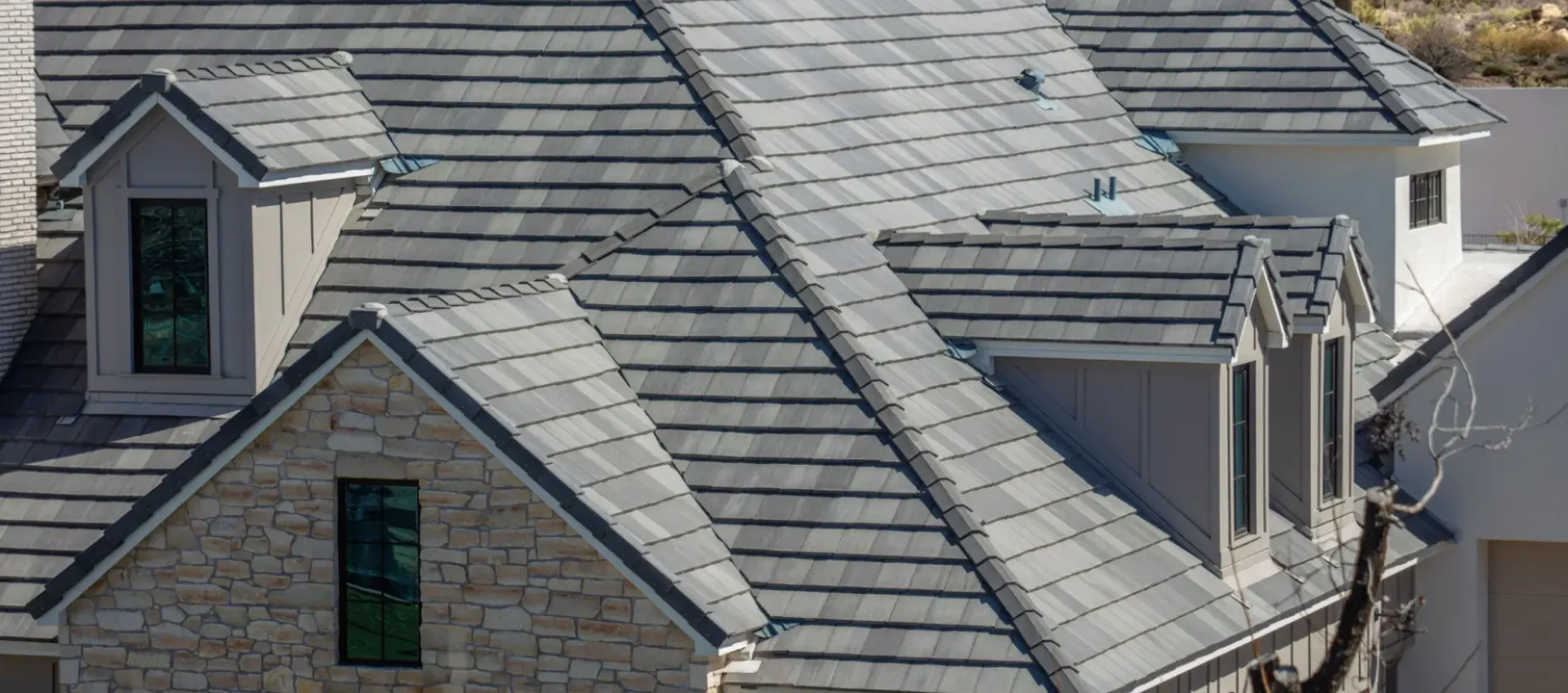
For Maryland homeowners, trees are more than just part of the scenery—they’re a vital part of our state’s charm. Towering oaks, shady maples, and colorful dogwoods line our streets and backyards, offering beauty and shade. But trees, especially those near your home, can pose a serious risk to your roof. From falling branches during storms to debris clogging gutters, tree damage can lead to expensive repairs if left unchecked.
Think about this: your roof is your home’s first line of defense against the elements. A single branch falling during a storm can punch a hole through your shingles, leaving your home exposed to water leaks, pests, and structural damage. Combine that with Maryland’s unpredictable weather—where heavy rain, strong winds, and snowstorms are common—and it’s easy to see why roof maintenance is so important.
In this article, we’ll dive into the ways trees can damage your roof, provide actionable tips to prevent problems, and explain why you should act quickly if tree damage happens. Whether you’re already dealing with storm damage or simply want to avoid emergency roofing costs, this guide will give you practical, easy-to-follow advice.
How Tree Damage Affects Your Roof
Tree damage isn’t just a risk during major storms; it’s an ongoing concern for homeowners. Here are some of the most common ways trees can cause damage:
1. Falling Branches:
During storms, heavy winds and rain can cause tree limbs to snap and fall onto your roof. Even small branches can crack shingles or dent gutters, while larger branches can cause severe damage, like punctures or collapsed sections. This is particularly common in Maryland, where thunderstorms and hurricanes can create intense wind gusts.
2. Overhanging Limbs:
Branches that hang too close to your roof can scrape against shingles, wearing them down over time. This type of damage might not be noticeable at first, but over time, it can lead to leaks. Additionally, these branches act as “bridges” for pests like squirrels, raccoons, and ants, giving them easy access to your attic.
3. Clogged Gutters:
Leaves, twigs, acorns, and other debris from nearby trees can clog your gutters. When gutters are blocked, rainwater can’t drain properly, which may cause water to pool on your roof or seep under shingles. In winter, this issue can lead to ice dams—a common problem in Maryland’s colder months.
4. Rot and Mold Growth:
If branches constantly drop debris onto your roof, it can trap moisture and create the perfect environment for rot and mold. These issues weaken your roof’s structure and can spread into your attic, causing even bigger problems.
5. Storm Debris:
In Maryland, storms can send not just branches but entire trees crashing onto homes. This type of major damage often requires immediate emergency roofing services and can result in significant repair costs.
How to Prevent Tree Damage to Your Roof
The good news is that you don’t have to wait for tree damage to happen—you can take steps to prevent it. Here are some expert tips to keep your roof safe:
1. Keep Trees Trimmed
Regular tree trimming is one of the simplest ways to protect your roof. Make sure to keep branches at least 6-10 feet away from your home. Not only does this reduce the risk of falling limbs during a storm, but it also prevents branches from scraping against shingles. For Maryland homeowners, scheduling tree maintenance in the fall or early spring is a smart move to prepare for the state’s stormy seasons..
2. Inspect Your Trees for Weakness
Take a walk around your property and look for signs of unhealthy trees. Dead or rotting branches, cracks in the trunk, or fungi growing at the base of a tree are all signs it may need attention. If you’re not sure, call a certified arborist for advice. Weak or diseased trees are much more likely to fall during a storm, putting your roof at serious risk.
3. Clean Your Gutters Regularly
Don’t let leaves and debris pile up in your gutters. Clogged gutters can cause rainwater to back up onto your roof, increasing the risk of leaks and water damage. For Maryland homeowners, where autumn brings plenty of falling leaves, gutter cleaning should be done at least twice a year—once in the fall and again in the spring.
4. Use Impact-Resistant Roofing Materials
If you’re replacing your roof or making upgrades, consider installing impact-resistant shingles. These materials are designed to withstand falling branches and debris better than standard shingles. While the upfront cost is higher, they can save you money in the long run by preventing costly storm damage repairs.
5. Schedule Regular Roof Inspections
Sometimes, tree damage isn’t visible to the untrained eye. That’s why professional roof inspections are so important. A roofing expert can spot issues like weakened shingles, small leaks, or other damage before they become bigger problems. After a major storm, it’s always a good idea to have your roof inspected for hidden damage.
What to Do If Tree Damage Happens
Even with the best prevention efforts, tree damage can still happen. If it does, here’s what you should do:
- Stay Safe: Don’t climb onto your roof to inspect the damage. Falling debris or weakened sections could make it unsafe. Instead, assess the situation from the ground and call a professional.
- Contact Emergency Roofing Services: Time is of the essence when tree damage occurs. Call a trusted roofing company, like Vanguard General Contracting, to handle the repairs. They specialize in storm damage roofing services and can provide immediate assistance.
- Protect Your Home: If water is entering your home, use tarps or temporary coverings to minimize further damage until repairs can be made.
Why Tree Damage Prevention Matters in Maryland
Maryland’s mix of weather—ranging from summer thunderstorms to winter snowstorms—makes it critical to stay on top of roof maintenance. Trees may enhance your home’s beauty, but they can quickly become liabilities without proper care. By trimming branches, inspecting trees, and keeping gutters clean, you can avoid many common roofing problems.
If tree damage does occur, don’t wait to take action. Vanguard General Contracting is here to help with reliable storm damage roofing services designed to restore your roof and protect your home. Visit our storm damage roofing page to learn more and schedule a professional inspection today.
Final Thoughts
Your roof is your home’s shield against the elements, and protecting it from tree damage is an investment in your home’s long-term safety and value. With regular maintenance, inspections, and help from local experts, you can keep your roof strong and secure year-round. Don’t wait until tree damage becomes a costly problem—take action today to ensure your Maryland home stays safe and sound.