



Understanding Roof Warranties: What Maryland Homeowners Need to Know
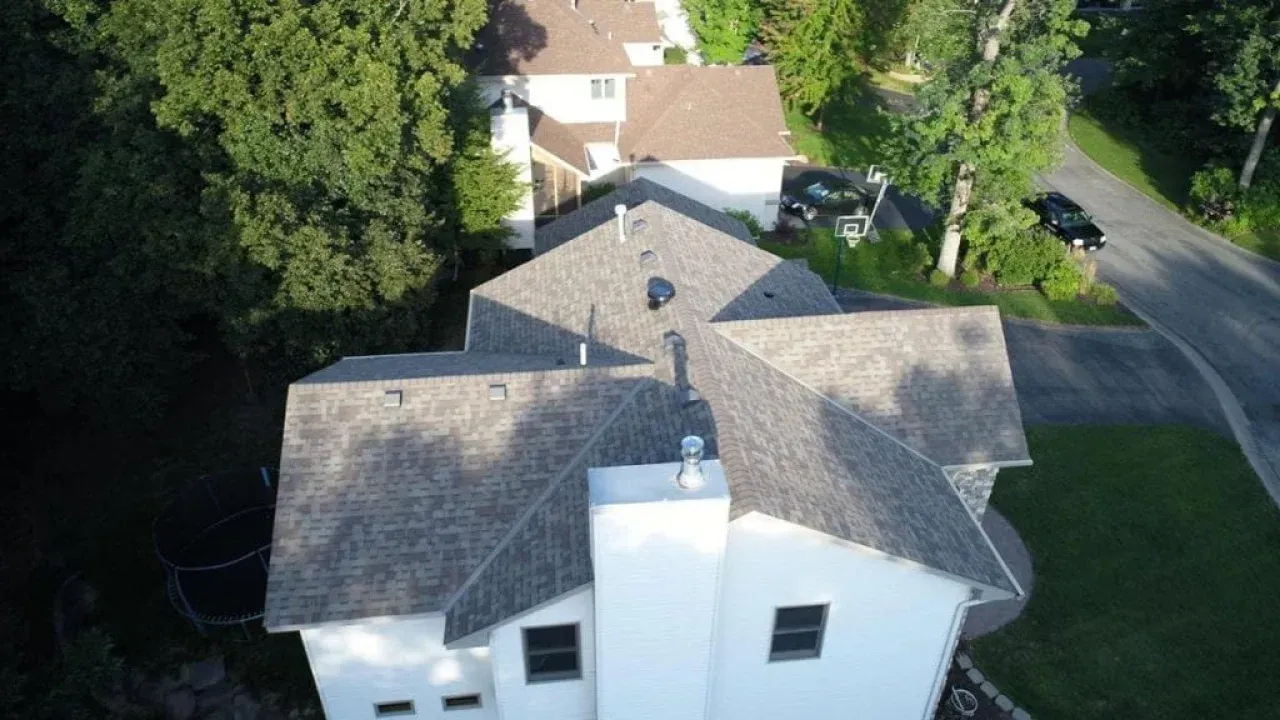
Replacing or repairing a roof isn’t just another home improvement project—it’s an investment that protects everything beneath it, from your family to your most valuable belongings. Yet, many homeowners in Maryland don’t fully understand the protection that roof warranties provide. These warranties act as a safety net, giving you peace of mind if something goes wrong with your roof due to defects or errors.
But here’s the thing: not all roof warranties are created equal. They can vary widely in terms of what they cover, how long they last, and what conditions you need to meet to keep them valid. In Maryland, where the weather can be unpredictable and harsh—from heavy winter snowstorms to intense summer thunderstorms—understanding the details of your roof warranty is even more important.
If you’re planning a roof replacement or scheduling routine roof inspections, having a clear grasp of your warranty can save you from unexpected headaches and costly repairs. In this guide, we’ll break down everything you need to know about roof warranties, including how they work, why they matter for Maryland homeowners, and how you can make the most of them.
What Exactly is a Roof Warranty?
At its core, a roof warranty is a written promise—either from the roofing materials manufacturer or the contractor—that guarantees specific parts of your roof or the installation itself will perform as expected for a set amount of time. If something goes wrong within the warranty period due to manufacturing defects or workmanship errors, the warranty steps in to cover the cost of repairs or replacement.
There are two main types of roof warranties you should know about:
1.Manufacturer’s Warranty:
- This type of warranty covers issues with the roofing materials themselves, such as defective shingles, underlayment, or flashing.
- Most manufacturer warranties last anywhere from 20 to 50 years, depending on the product. Some even offer limited lifetime warranties.
- For example, if shingles crack prematurely or fail to hold up under normal conditions, this warranty would typically cover the cost of replacement materials.
2. Workmanship Warranty:
- This warranty is provided by the roofing contractor and covers problems caused by errors during installation.
- Workmanship warranties often range from 1 to 10 years but vary based on the contractor.
- For example, if your contractor fails to properly seal flashing around a chimney, leading to a leak, the workmanship warranty would cover the repair.
Having both types of warranties is ideal because they address different aspects of roof performance. Together, they provide well-rounded protection for your home.
Why Roof Warranties Are Critical for Maryland Homeowners
If you live in Maryland, you already know how challenging the weather can be. From heavy snowfall in Frederick to strong summer storms along the Chesapeake Bay, your roof has to withstand a lot. Roof warranties are particularly valuable in this region because of the following factors:
- Harsh Weather Conditions: Maryland experiences a mix of extreme weather throughout the year, including thunderstorms, hail, hurricanes, and winter snowstorms. These conditions can stress even the highest-quality roofing materials. A strong warranty ensures you’re protected if your roof fails to perform under these challenges.
- High Humidity and Mold Risks: Maryland’s humid summers create the perfect environment for mold, which can damage your roof and attic if left unchecked. While mold damage isn’t always covered, regular inspections required by warranties can help catch these issues early.
- Local Building Standards: Maryland has a mix of historic and modern homes, each with unique roofing needs. A well-understood warranty ensures that your roof replacement meets local codes and long-term durability expectations.
Simply put, having a warranty in place protects not just your roof but your financial well-being. Without one, you might be left footing the bill for costly repairs out of pocket.
What to Look for in a Roof Warranty
Choosing the right roof warranty can feel overwhelming, but knowing what to look for can simplify the process. Here are some key factors to consider:
- Coverage Length:
- How long does the warranty last? For materials, the coverage period could be 20, 30, or even 50 years, while workmanship warranties tend to be shorter. Opt for longer coverage periods wherever possible.
- Transferability:
- If you sell your home, can the warranty be transferred to the new owner? Transferable warranties add value to your home and are a great selling point for buyers.
- Exclusions:
- Every warranty has limits. Most won’t cover damage caused by poor maintenance, severe weather, or unauthorized repairs. Make sure you understand what’s excluded.
- Maintenance Requirements:
- Many warranties require regular roof inspections to remain valid. Skipping these inspections could void your coverage, so be sure to schedule them annually or after significant storms.
- Pro-Rated vs. Non-Pro-Rated:
- Pro-rated warranties decrease in value over time, meaning you’ll pay more out of pocket as the roof ages. Non-pro-rated warranties offer consistent coverage throughout their duration.
Taking the time to review these details ensures you get the most out of your roof warranty and avoid unpleasant surprises.
How to Keep Your Roof Warranty Valid
One of the biggest mistakes homeowners make is unintentionally voiding their roof warranty. Here’s how you can ensure your warranty stays valid:
- Schedule Regular Roof Inspections: Most warranties require regular inspections to identify potential issues before they worsen. Vanguard General Contracting offers professional roof inspection services to keep your warranty intact and your roof in top condition.
- Perform Routine Maintenance: Clean gutters regularly, remove debris from your roof, and check for signs of wear and tear. These small tasks go a long way in preventing damage.
- Hire Certified Contractors: Always use licensed and experienced contractors for repairs or replacements. Unqualified work can void your warranty.
- Document Everything: Keep records of all inspections, repairs, and maintenance. This documentation may be required if you need to file a claim.
By staying proactive, you’ll extend the life of your roof and protect your investment.
What to Do If You Need to Use Your Warranty
If something goes wrong with your roof, here’s how to navigate the warranty process:
- Review Your Warranty: Start by reading the fine print to confirm whether the issue is covered.
- Contact the Right Party: Depending on the problem, you’ll need to reach out to either the manufacturer (for material defects) or the contractor (for workmanship issues).
- Act Quickly: Don’t wait to report the issue. Delays could complicate the claims process or worsen the damage.
- Schedule Repairs: If the issue requires a roof replacement, trust a reputable contractor like Vanguard General Contracting. Their expert team ensures that all work complies with warranty requirements. Learn more on their roof replacement page.
Final Thoughts: Protect Your Investment with a Roof Warranty
Roof warranties might not be the most exciting topic, but they’re one of the smartest tools for protecting your home and budget. For Maryland homeowners, where unpredictable weather is the norm, understanding your warranty and following its terms is essential.
Whether you’re planning a roof replacement or scheduling inspections, Vanguard General Contracting is here to help. With years of experience serving Maryland communities, they know what it takes to keep your roof strong and your home protected. Visit their roof replacement page today to learn more and schedule a consultation.