



Can New Siding Be Installed Over Old Siding?
New Siding Over Old in Carroll County: When It Works, When It Does Not, and What Each Costs
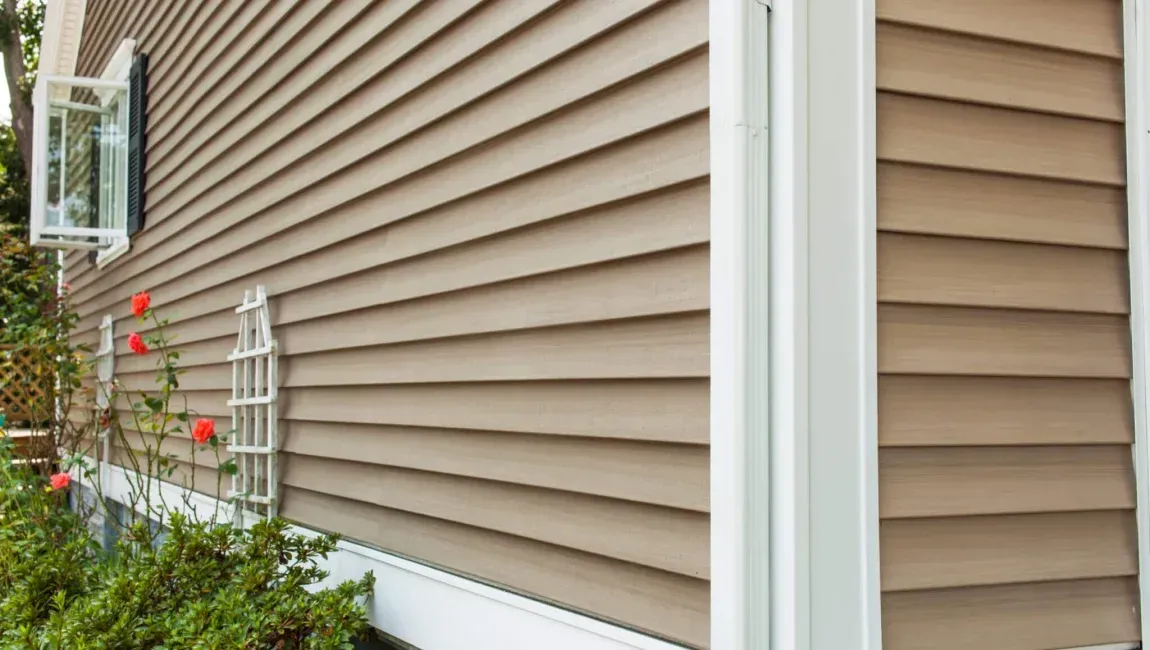
Installing new siding directly over existing siding is technically possible in many situations, and Carroll County homeowners sometimes consider it as a way to reduce project cost and avoid dealing with whatever is underneath. It is a real option with real tradeoffs, and the right answer depends on the condition of the existing siding, the new material going on, and what the homeowner's priorities are.
Understanding the comparison honestly, including what you gain and what you give up with each path, helps you make a decision you will not regret two or three years into the new siding's life.
When installation over existing siding is feasible
Installing over old material is most feasible when the existing siding is flat, dry, and structurally sound, when the added thickness will not create problems at windows, doors, and trim, and when the new material suits the application.
Vinyl siding is commonly installed over existing wood or hardboard siding that is flat and has not been significantly damaged by moisture. Fiber cement can also go over existing material in some cases, though its weight and fastening requirements create more constraints. In Carroll County, homes with older wood siding that remains flat and solid are the best candidates.
The existing siding must be nailed flat. Any area that is warped, buckled, or soft will telegraph through the new siding surface, particularly with thinner vinyl products. Before committing to this approach, a thorough assessment of flatness and structural condition across every wall face is necessary, not a spot check on the most visible elevation.
What you give up by not removing the old siding
The most significant thing you give up is the ability to see and address what is beneath the existing siding. If moisture damage exists in the sheathing behind the old material, you will not know until it progresses far enough to affect the new siding from behind, or until the new siding eventually comes off years later. In Carroll County's older housing stock, hidden moisture damage is common enough that this is a genuine concern rather than a remote one.
You also give up the opportunity to install new house wrap, which provides the moisture management and air barrier performance that improves both the new siding's longevity and the home's energy performance. Installing new siding over old without new wrap leaves the existing moisture management, or lack of it, buried under an additional layer.
Weight is a secondary consideration. Multiple siding layers add dead load to the wall framing. In most residential construction this is not a structural concern, but it is worth noting on homes with any existing structural questions.
The cost comparison and the risk-adjusted version of it
Installation over existing siding eliminates the labor and disposal cost of removal. Demolition, hauling, and disposal add meaningfully to a replacement project, and the savings depend on home size and local disposal rates. That is the straightforward financial case for the approach.
The tradeoff is that problems found under old siding in a removal project get addressed while the wall is open. Those same problems, if they exist and are not discovered, will surface later after the new siding is already installed, and addressing them will cost more because the new siding has to come off first.
For Carroll County homeowners in homes built before the mid-1990s, when moisture management practices were less consistent, the risk-adjusted comparison often favors full removal. The additional cost of removal is partially offset by the damage assessment it provides and the ability to install proper house wrap, which is real performance value rather than only avoided risk.
The window and trim problem that decides many projects
One practical constraint settles the question on a lot of homes. Adding a siding layer increases wall thickness at the exterior face, which changes the relationship between the siding surface and window and door frames.
If existing frames do not have enough depth to accommodate the additional thickness, the windows end up looking recessed, and new extension jambs or trim work become necessary to restore proper proportions and ensure water sheds correctly away from the opening. That work adds cost and complexity that offsets a meaningful portion of the savings from skipping demolition.
On homes where the trim detail would require extensive rework, full removal frequently becomes the better value even on a pure cost basis, before accounting for the moisture assessment benefit. This is why an assessment of the specific home matters more than a general preference for either approach.
Vanguard serves Carroll County
Vanguard advises Carroll County homeowners on the installation-over versus full removal decision based on the actual condition of the existing siding and the specific home. We do not have a predetermined preference. The right answer depends on what the assessment reveals.
To get an honest comparison for your home, schedule a siding assessment in Carroll County.
Siding installation in Carroll County, MD
Vanguard handles siding installation both over existing material and as full removal and replacement, with the approach chosen based on assessment rather than default.
Contact Vanguard about siding installation in Carroll County, MD.
Frequently Asked Questions
Is installing new siding over old allowed by code in Carroll County?
Maryland code generally permits new siding over existing in most situations, though Carroll County may have specific requirements depending on project classification. The number of existing layers, the new material, and window frame depth all affect compliance in a given case. Vanguard assesses code requirements as part of planning and permits all work that requires it rather than proceeding without.
How do I know if my old siding is a good candidate for installation-over?
The key factors are flatness, structural integrity, and moisture condition. Siding that is flat without significant warping, buckling, or soft areas is the best candidate. Siding that is peeling, soft when pressed, or visibly bulging typically is not, since those conditions suggest underlying moisture problems. A physical assessment across all wall faces gives a clearer answer than a visual walkthrough.
Does installing over old siding affect window and door trim?
Yes, and this often decides whether the approach is feasible. Added siding thickness changes the relationship between the siding face and window frames. If existing frames lack sufficient depth, windows look recessed and new extension jambs or trim work become necessary to restore proportions and shed water properly. That work offsets a meaningful share of the demolition savings.
Can vinyl siding be installed over existing vinyl in Carroll County?
It is technically possible if the existing vinyl is flat, securely fastened, and in good condition. In practice, vinyl at the end of its useful life often has cracked, warped, or loose sections, making it a poor nailing surface. If the original vinyl was installed without house wrap, going over it perpetuates that gap. Each situation needs assessment rather than a blanket answer.
What are the long-term risks of installing over old siding?
The main risk is hidden moisture damage that goes undiscovered and continues progressing behind two layers. When it eventually requires attention, both layers have to come off, which costs more than if the damage had been found and repaired during the original project. For Carroll County homes showing any moisture indicators around windows or at wall bases, that risk favors full removal.
Does installing over old siding shorten the new siding's lifespan?
Not inherently, if the installation is correct and the existing siding is genuinely sound. New siding lifespan depends mainly on product quality, installation quality, and the moisture management behind it. If moisture issues behind the old siding affect the new material over time, practical lifespan can shorten. That is the core risk rather than a lifespan penalty from layering itself.