



What Happens When Rot or Water Damage Is Found Behind Old Siding?
Rot and Water Damage Behind Old Siding in Howard County: What the Discovery Means
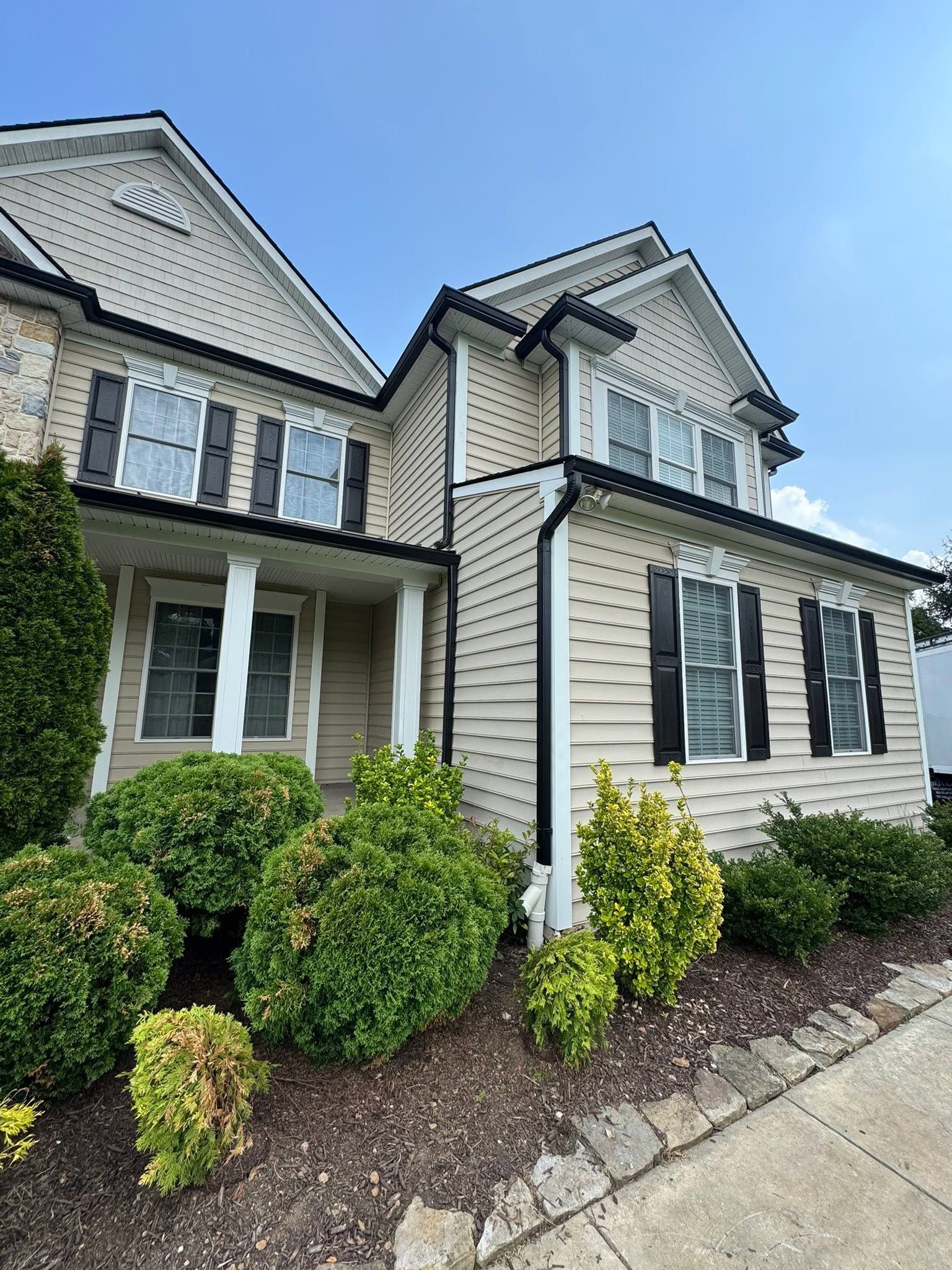
One consistent reality of siding replacement in Howard County's older housing stock is that the condition beneath the siding often differs from what the exterior suggests. Siding that looks weathered but intact can be concealing years of moisture damage to the sheathing and framing behind it, and that discovery usually happens after the old siding comes off.
This is not a scare tactic. It is a genuine pattern in homes built from the 1970s through the 1990s, when water-resistive barriers behind siding were not standard and installation practices often left seams and penetrations unsealed. Understanding what to expect, and how a contractor should handle it, helps you evaluate proposals before the project starts.
Where moisture damage concentrates behind siding
Water that gets behind siding does not distribute evenly. It concentrates where the installation has gaps or where the home's geometry directs it. The most common damage locations in Howard County siding replacements are around window and door frames, at the base of walls near grade, at horizontal seams between siding courses, and at penetrations where pipes, wires, or HVAC lines pass through.
Window and door frames are the most vulnerable penetration on most homes. The joint between frame and siding, if improperly sealed originally or if the sealant has failed over years, lets water running down the siding face enter at the frame edge. That water runs down the sheathing behind the frame and saturates the sill framing below the window, which is why rotted window sills are among the most frequent findings.
At the base of walls, grade-level splash, irrigation overspray, and soil contact create a chronic moisture source. Siding installed too close to grade accelerates this, and the rim joist area at the base of the wall framing is often the most severely affected structural element in these situations.
How the damage is assessed when siding comes off
When old siding is removed from a Howard County home, the sheathing condition becomes visible immediately. Sheathing exposed to chronic moisture shows distinct signs: staining, discoloration, soft spots, visible mold or mildew, and in advanced cases outright rot where the wood or OSB has lost structural integrity.
A thorough assessment probes soft areas to determine damage depth, checks moisture content in framing members behind the sheathing, and determines whether damage is limited to the sheathing surface or has extended into structural framing. Stud bays with damaged sheathing often have saturated cavity insulation as well, which loses thermal performance when wet and should be replaced.
The extent determines the repair scope. Surface staining without structural compromise may need only mold treatment and dry time before new wrap goes on. Soft or rotted sheathing panels need replacement. Framing members that have lost integrity need to be sistered or replaced before new sheathing is installed.
How a contractor should handle the discovery
Finding moisture damage changes the scope and cost of a siding project, and how a contractor handles that change matters more than the fact of the damage itself. A transparent process shows you the damage before repairing it, explains specifically what needs replacement and why, and provides a written scope with associated costs before proceeding.
The alternative, which homeowners should watch for, is an open-ended arrangement where the contractor says they will fix what they find and bills for it afterward. That structure gives you no way to evaluate whether the scope was appropriate or the price reasonable. A contractor confident in their assessment will document it and price it before doing the work.
In Howard County, structural repairs to sheathing and framing may require a permit depending on extent. A contractor should be prepared to discuss whether permits apply to the additional scope and to pull them when required rather than proceeding without.
Cost for damage repair varies widely by what is found. Replacing a few sheathing panels is materially different from replacing rotted framing across several bays. Getting an upfront scope and price protects you from surprises at the end of the project.
What signs suggest damage before the siding comes off
A pre-replacement assessment can give you a sense of what to expect. Several indicators suggest moisture damage is likely: soft or spongy areas when you press on the siding surface, bubbling or peeling paint on wood or hardboard siding, visible staining or rust streaks running from fasteners, and deterioration around window and door frames.
Interior signs matter too. Staining on interior walls below windows, musty odors in rooms along exterior walls, and paint or wallpaper that is lifting near the base of exterior walls all point toward moisture in the wall assembly.
A contractor experienced with Howard County's housing stock can often identify high-probability damage areas during a bid walkthrough and discuss the likelihood of finding issues before work begins, which lets you plan the budget with that possibility accounted for rather than being surprised by it.
Vanguard serves Howard County
Vanguard handles moisture damage discovery and repair as part of siding replacement throughout Howard County. When we find damage under old siding, we show it to the homeowner, explain the repair scope needed, and provide written pricing before proceeding with any additional work.
If your siding is showing signs of age or moisture infiltration, schedule a siding replacement consultation in Howard County.
Siding replacement in Howard County, MD
Vanguard provides siding replacement including sheathing repair, framing repair, house wrap installation, and complete finish work.
Contact Vanguard about siding replacement in Howard County, MD.
Frequently Asked Questions
How common is rot behind old siding in Howard County homes?
It is found frequently in homes from the 1970s through the 1990s, when water-resistive barriers were not standard and sealant details around windows were inconsistent. Frequency depends on original installation quality, exposure to rain and irrigation, grade proximity, and how long the siding has been in place. Homes where new siding was installed over original material without moisture management are particularly likely to show accumulated damage.
Does finding rot significantly increase siding replacement cost?
It depends on extent and location. Surface staining on sound sheathing adds minimal cost. Replacing several sheathing panels adds moderately. Replacing rotted framing members is more significant. The way to get a realistic picture is working with a contractor who documents damage and provides written pricing for the repair scope before proceeding rather than billing open-ended afterward.
Can rot be repaired without replacing all the sheathing?
Yes. Repair is addressed at the panel or section level, replacing only sheathing and framing that is structurally compromised. Panels that are stained but structurally intact do not necessarily need replacement, though the surface should be treated for mold before new wrap goes on. A thorough assessment determines what needs replacement versus treatment, keeping scope limited to what is necessary.
What causes rot behind siding in Howard County homes?
Chronic moisture infiltration. The common entry points are failed sealant at window and door frames, siding installed without a water-resistive barrier, improper lapping at horizontal seams, and unsealed penetrations where pipes and wires enter the wall. Maryland's rain and humidity sustain the conditions rot needs. The damage is almost always slow accumulation rather than a single event.
Should I get an inspection before committing to siding replacement?
It helps. Indicators that damage is likely include soft or spongy areas when pressing the siding, bubbling or peeling paint, staining or rust streaks from fasteners, and deterioration around window frames. Interior signs include staining below windows and musty odors along exterior walls. A contractor familiar with Howard County housing can flag high-probability areas during a bid walkthrough.
Is damaged insulation replaced during a Howard County siding project?
Insulation saturated by moisture loses most of its thermal value and should be replaced where damage is significant. In a standard siding replacement the wall cavity is not opened, so access is limited. Where sheathing damage requires opening sections of wall, those bays become an opportunity to inspect and replace saturated insulation while access exists.